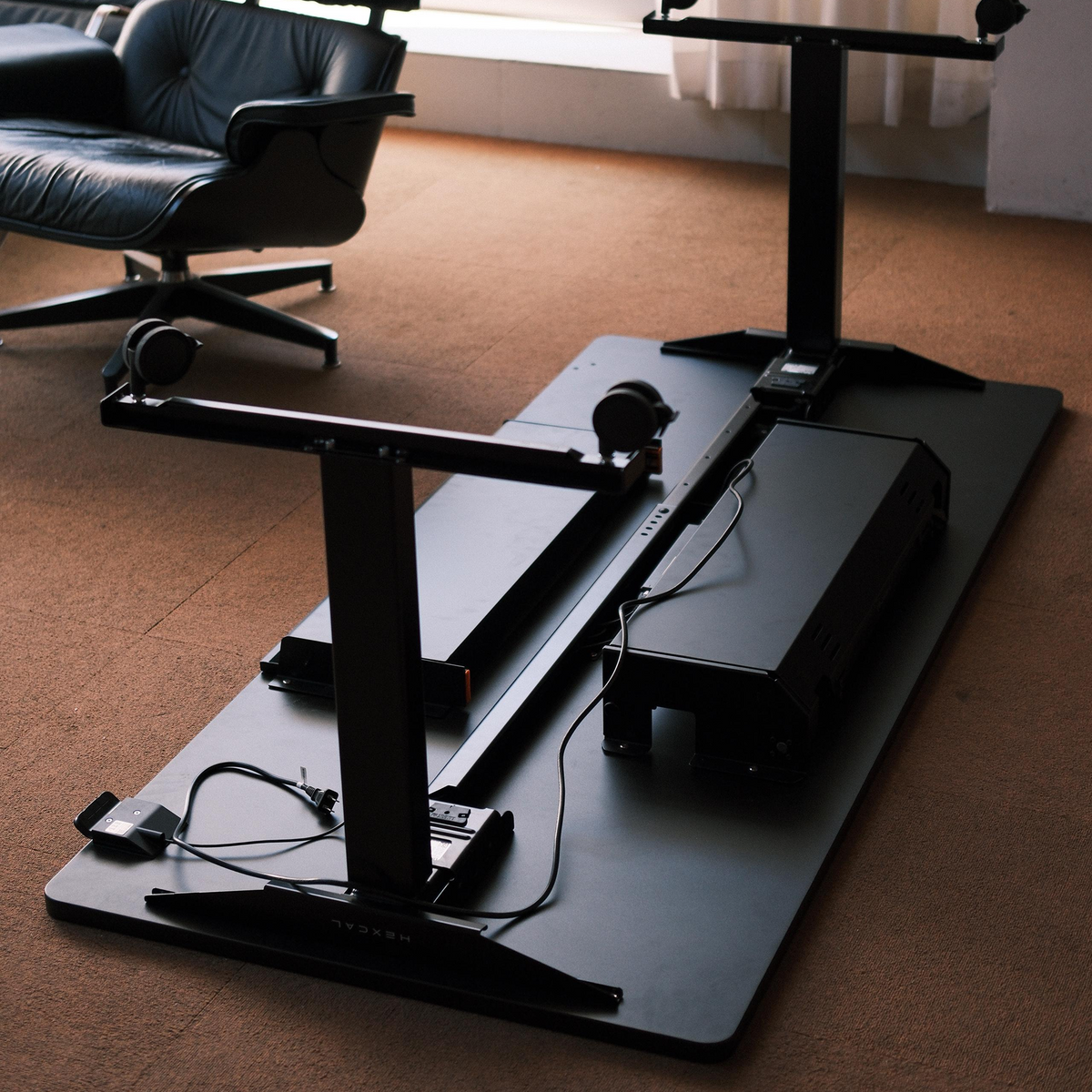
Standing Desk Casters: Should You Add Wheels?
A desk can become easier to move and harder to sit at after the same upgrade. Casters change the surface height as well as the route across your room. Choose them only after checking the approved attachment, your lowest working position, the load definition, and the conditions where you'll roll and park the desk.
Keep the original feet if the desk stays in one place. Consider an approved caster kit for a specific repositioning task only after its attachment, finished minimum height and complete-configuration load limit are established. Long-term value comes from solving that repeated task.
Use this five-step mobility check before ordering wheels.
Step 1: Give the movement a specific job
Write down where the desk needs to go and why. “Pull it forward for cleaning” describes a route you can inspect. “Make the workspace more flexible” leaves the difficult questions unanswered.
For a short repositioning, note the distance from the parked desk to the destination. For regular movement, sketch the entire route, including doorways, corners, floor transitions, and somewhere to work at the other end. The desktop and any protruding equipment have to fit through it; the wheels are only one part of the moving assembly.
Then identify what stays behind. A wall outlet, Ethernet socket, or floor-standing computer can connect a mobile desk to a fixed point. More cable slack for raising the desk doesn't automatically provide enough reach for moving it across the room. Follow the equipment's instructions for disconnecting connections that can't travel safely.
If movement would require rebuilding the workstation every time, reconsider the task. A different parking position or better access behind the desk may solve it with fewer changes. Our standing desk setup guide helps place the equipment before choosing accessories.

Step 2: Match the exact frame and approved attachment
“For standing desks” is a category description. It doesn't identify an attachment that fits your desk.
Find the desk's exact model and version, then check which caster kit its manufacturer supports. Ask for the approved installation instructions and whether changing from feet affects the permitted configuration. A connector that looks similar in a photograph isn't enough to establish a match.
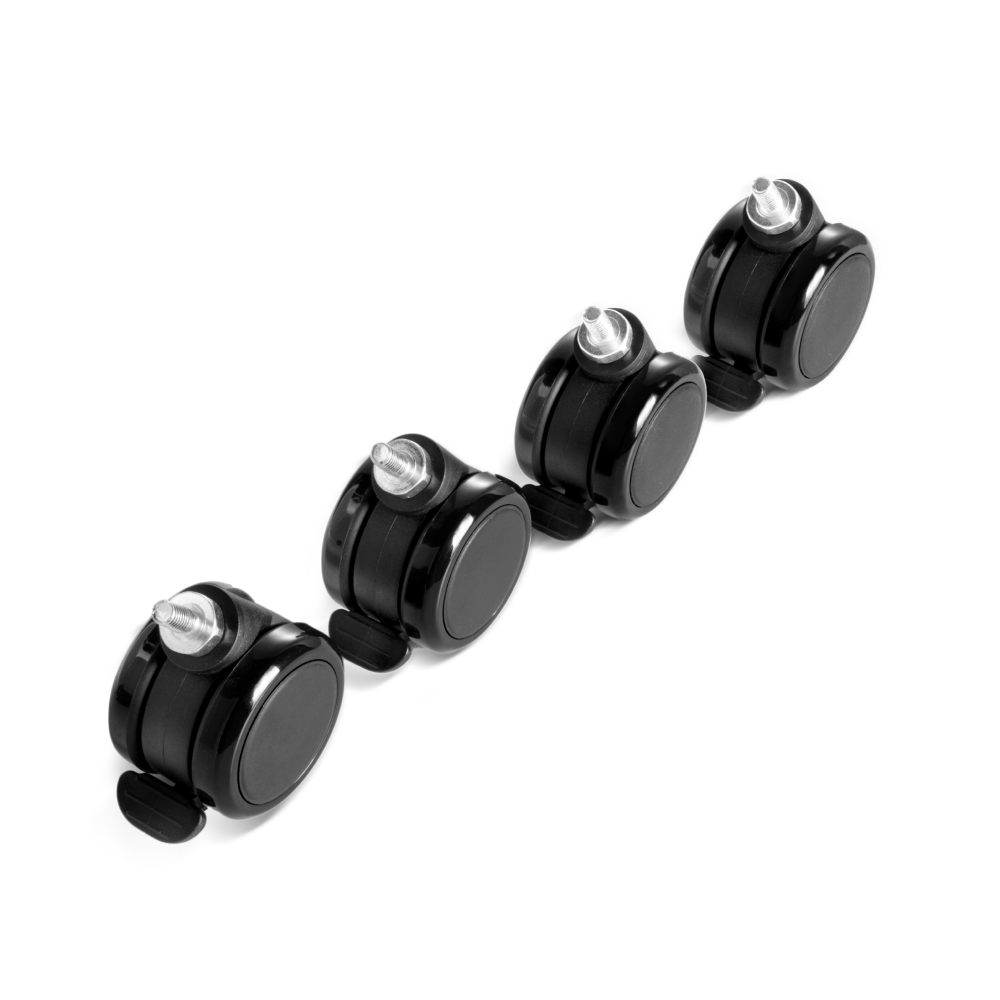
The Hexcal Elevate Standing Desk Casters page identifies Elevate compatibility and describes a set of four with press-down locks and press-up release. That supports a model-specific starting point. It doesn't establish compatibility with another brand or an undocumented frame version.
Before buying a separate kit, check your original order and current package contents. Some desk configurations may already include casters. Confirm what you own, including any supplied mounting parts, before replacing it.
Avoid choosing a wheel first and improvising an adapter afterward. The desk, connector, and wheel need a documented relationship. Leave unknown thread sizes and mounting dimensions as questions for the manufacturer rather than a shopping experiment.
Step 3: Recheck your lowest working height
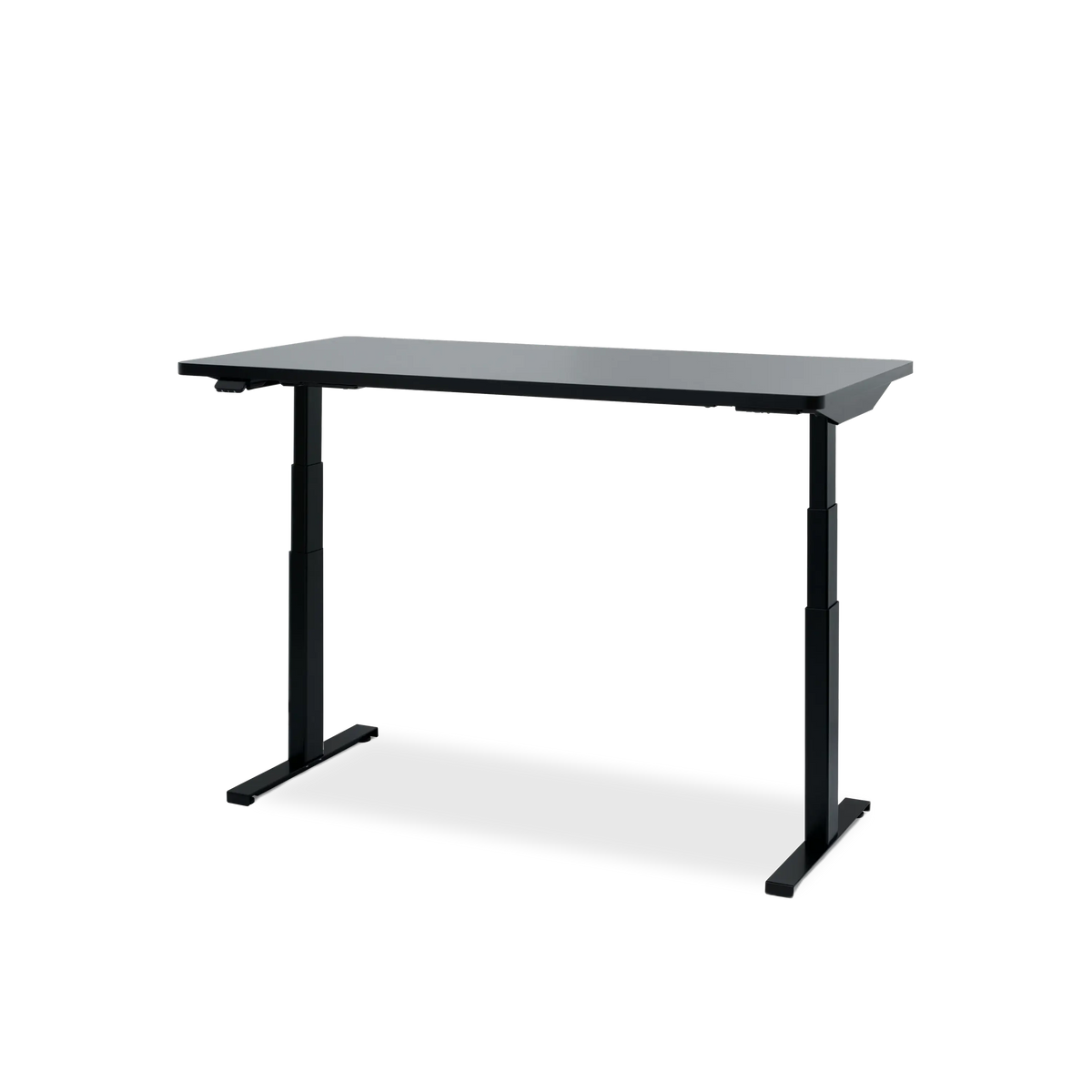
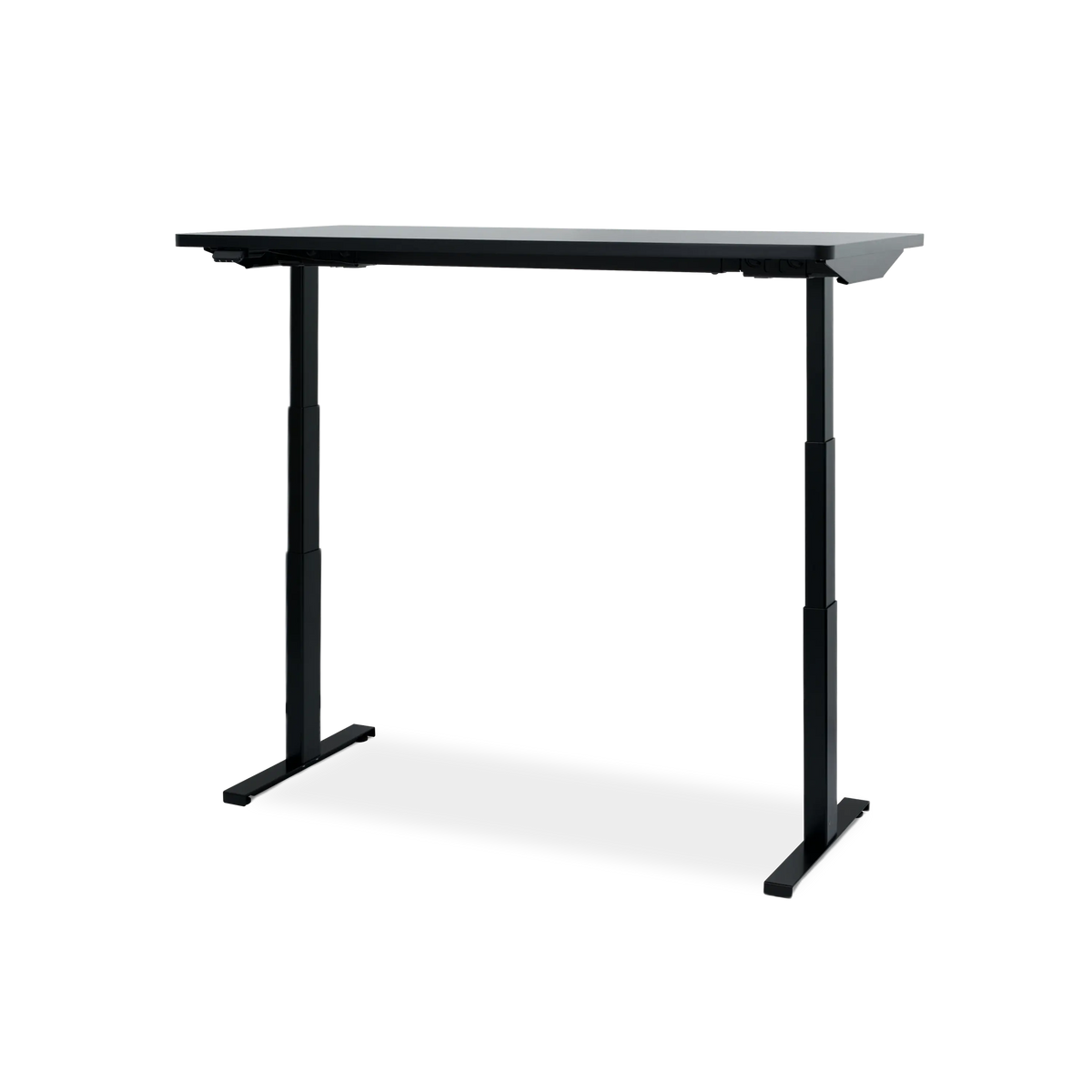
The important measurement is the finished work surface in its lowest usable position with the proposed feet or casters fitted. A frame-only height, wheel diameter, or controller display can describe something different.
Measure your current surface from the floor. Record whether it already reaches the position you use when seated, with your usual chair and input devices. Then get the net height change for the approved caster installation. Removing an existing foot may offset part of a caster's overall height, so wheel diameter alone won't give you that change.
Here's a hypothetical rejection: a reader works at a 68 cm surface, and their desk already bottoms out at 68 cm. An approved wheel option would add 2 cm to that finished position. Its new minimum would be 70 cm. Those numbers are an example, not Hexcal measurements. The wheels fail this reader's seated-height requirement even if their attachment and load checks pass.
Do this calculation before treating mobility as a straightforward improvement. Raising the chair to chase a higher keyboard can create another fit problem elsewhere. Use your actual working position as the acceptance condition.
For help distinguishing frame measurements from a complete configuration, use the standing desk specifications guide.

Step 4: Read what each load rating includes
A desk's lifting rating and a caster kit's rating answer different questions. Neither number should become an equipment allowance without its definition.
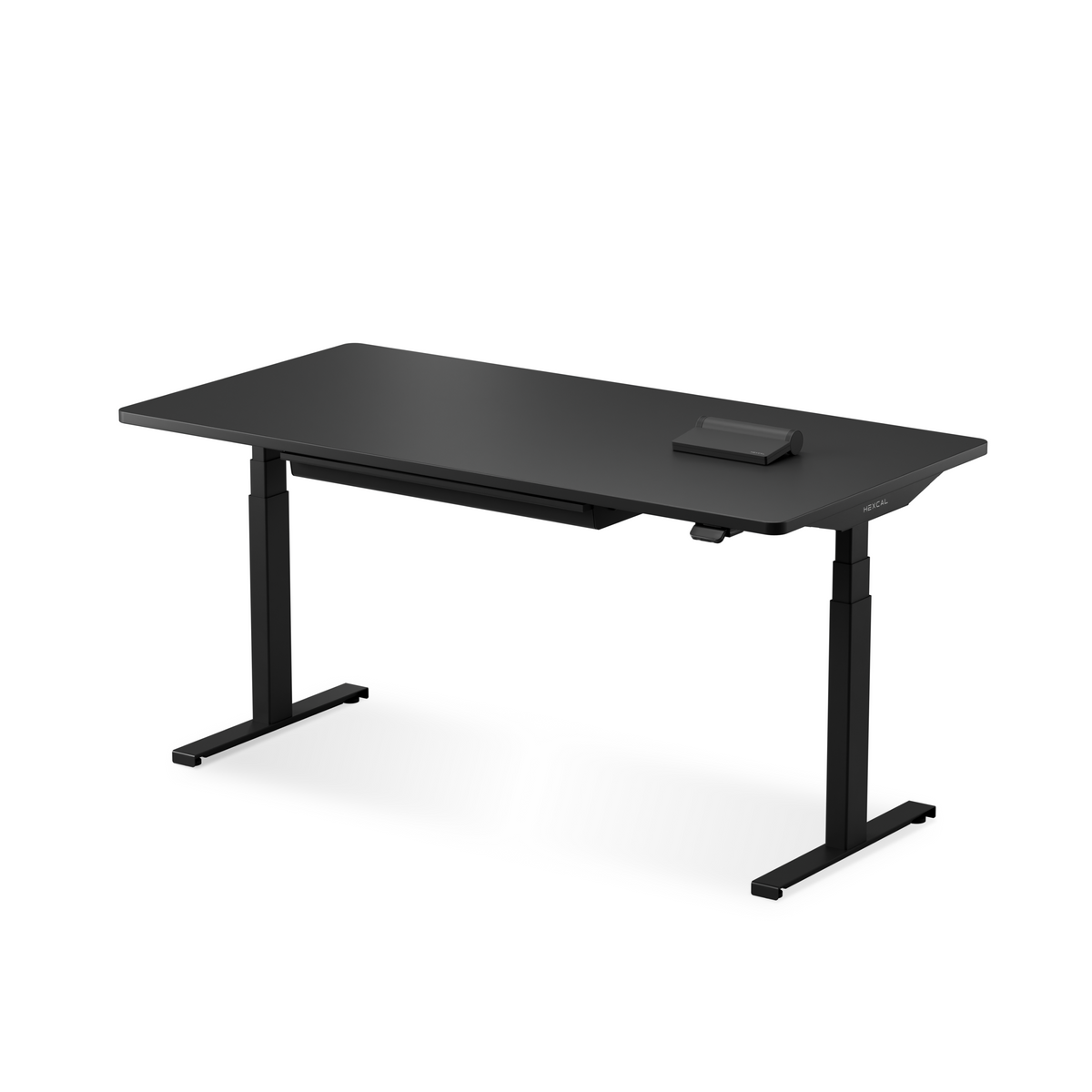
Hexcal's caster page lists “260 lbs (120 kg).” The Elevate desk page separately lists a 160 kg lifting capacity including the desktop. The caster listing doesn't clearly explain whether its figure includes the whole desk assembly or how it applies during movement. Don't transfer the desk's higher figure to a configuration on wheels, multiply the caster figure by four, or interpret it as an extra 120 kg of equipment.
Ask which limit governs the complete approved configuration and what must be counted. Depending on that definition, the relevant inventory may include the frame, desktop, attached storage, monitors, computer, and everything inside a loaded drawer or tray. Keep each item's mass alongside the rating that applies to it.
Also ask whether the rating applies while stationary, while rolling, or under specified conditions. A supported total weight doesn't establish how the workstation will behave over a threshold or with equipment projecting beyond the desktop.
Step 5: Check the floor, locks, and parking position
Inspect the route at floor level. A rug edge, uneven transition, or narrow turn can change the decision even when the destination looks close. Confirm the caster manufacturer's supported floor conditions; don't infer carpet performance or floor protection from a product photograph.
Check whether the lock stops the wheel from rolling, the caster from swiveling, or both. Make sure you can reach the lock when the desk is parked.
Plan the cable route in both positions. Vertical travel and horizontal movement are separate checks. The standing desk cable slack guide covers connections that cross between fixed equipment and the moving desk; use it after deciding where the desk will park.
Keep this comparison with your measurements:
| Check | Current feet | Proposed casters | Accept only when |
|---|---|---|---|
| Lowest finished surface | Measure the current position | Confirm the net installed change | Your seated working position remains available |
| Connection to frame | Record the original fittings | Identify the approved kit and instructions | The exact desk configuration is supported |
| Load | Record the relevant desk rating | Confirm the complete wheeled configuration's definition | Your counted assembly fits the documented limits |
| Route and parking | Note current obstructions | Check floor conditions and lock access | The supported route and working position are usable |
| Fixed connections | Identify wall and floor endpoints | Plan each destination and any disconnection | No connection has to pull the desk or its equipment |
Choose approved casters when a real movement task passes every check. Keep the original feet when mobility adds little. Reject a candidate when it removes your seated working height or leaves the attachment or load definition unresolved. The right choice should remain useful after the novelty of a movable desk has passed.