Choosing the Best Desk Top: Wood, Engineered, and Laminate Surfaces Decoded

The wood-grain photo on a product page is the worst thing to shop a desk top on, and it is exactly what most buyers fixate on. A gorgeous walnut surface finished with a high-VOC sealer can offgas more into your home office than a properly certified engineered panel, and a "solid wood" desk top with an exposed grommet hole can be ruined by a single coffee spill. The species you can see matters far less than the core you cannot, the finish on top, and the emission certification behind both. After lab-checking surfaces and living with them across our own workstations, our team judges a desk top on three things in order: what it is made of beneath the veneer, how it handles moisture and load over years, and what emission standard it is certified to.
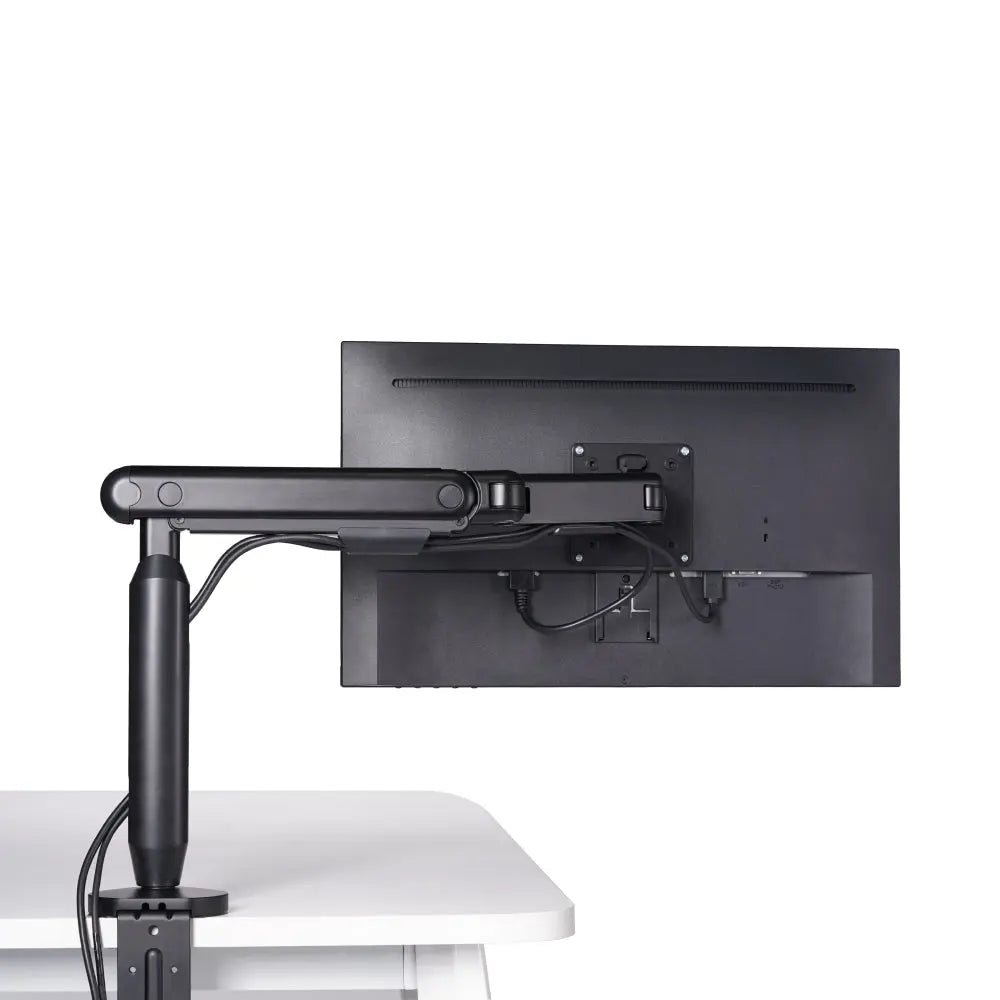
This guide decodes the real surface categories, solid wood, engineered panels, and laminate, and tells you which wood desk top actually earns the premium. We will also be straight about where the Hexcal Elevate Standing Desk surface fits, since we do not sell standalone tabletops and will not pretend otherwise.
Key Takeaways
- The core material under a veneer drives a desk top's safety and stability more than the visible wood species.
- Look for TSCA Title VI / CARB Phase 2 certification; the U.S. cap runs as low as 0.05 ppm for hardwood plywood, 0.09 ppm for particleboard, and 0.11 ppm for MDF, while the European E1 class allows up to 0.124 mg/m³ (about 0.1 ppm).
- A 25 mm desk top is the practical minimum for a wide standing surface that resists sag under monitor-arm load.
- MDF and particleboard are dimensionally stable but moisture-vulnerable at any unsealed edge or grommet hole.
- Choose solid wood only if you will maintain the finish; choose a certified engineered surface if you want zero-warp stability and threaded mounting inserts.

The Three Rules We Use to Judge a Desk Top
Before naming materials, three rules cut through the marketing. Rule 1: judge the core, not the cover. A wood veneer is a thin slice of real timber bonded to a substrate, usually MDF or particleboard, and the veneer is inert while the core is the potential emission source. Rule 2: judge the finish, because on a solid wood desk top the wood itself is not a significant emitter; the sealer is. A low-VOC or zero-VOC water-based finish is the difference between a healthy surface and a daily offgassing source. Rule 3: judge the certification, not the adjective. "Eco-friendly" means nothing without a standard behind it, which is the subject of the next section. These three rules apply to every desk top regardless of price, and they are why our team treats a surface as long-term infrastructure rather than a disposable trend buy.

Solid Wood: Premium, but Conditional
A solid wood desk top is made entirely of real hardwood through its full thickness, no substrate, no veneer, which is why it carries genuine character and can be sanded and refinished for decades. For emissions, solid wood is close to the gold standard because the timber is not a meaningful formaldehyde source. The premium is real, and so are the conditions attached to it.
The catch is movement and maintenance. Natural wood expands and contracts with humidity, so a solid wood desk top can cup or check if it is not finished on both faces and kept in a stable environment. The finish is also the entire emission story: an oil or water-based low-VOC finish keeps it clean, while a cheap high-VOC lacquer undoes the material's natural advantage. A butcher-block-style wood desk top is the most popular premium option, but it asks for periodic re-oiling. Pick solid wood only if you will actually maintain the finish; otherwise you are paying for beauty you will let degrade.
Engineered Panels: MDF and Particleboard Done Right
Engineered wood, MDF and particleboard, is the most common modern desk top material, and it is unfairly maligned. MDF is isotropic: with no grain and no knots, it has the same strength in every direction, does not warp like natural wood, and bonds laminates cleanly. A high-quality engineered panel certified to TSCA Title VI or CARB Phase 2 uses low-emission resins and is, for most users, a more dimensionally stable desk top than solid wood. The Elevate Standing Desk uses a particleboard core with preinstalled threaded inserts on the underside, to be clear, Elevate is a Hexcal-owned product we design and build, and we sell it as a complete desk, not as a bare tabletop. Those inserts let the steel frame mount without drilling and let you disassemble and remount without stripping the wood, which is a frame-and-surface integration a standalone wood desk top cannot offer.
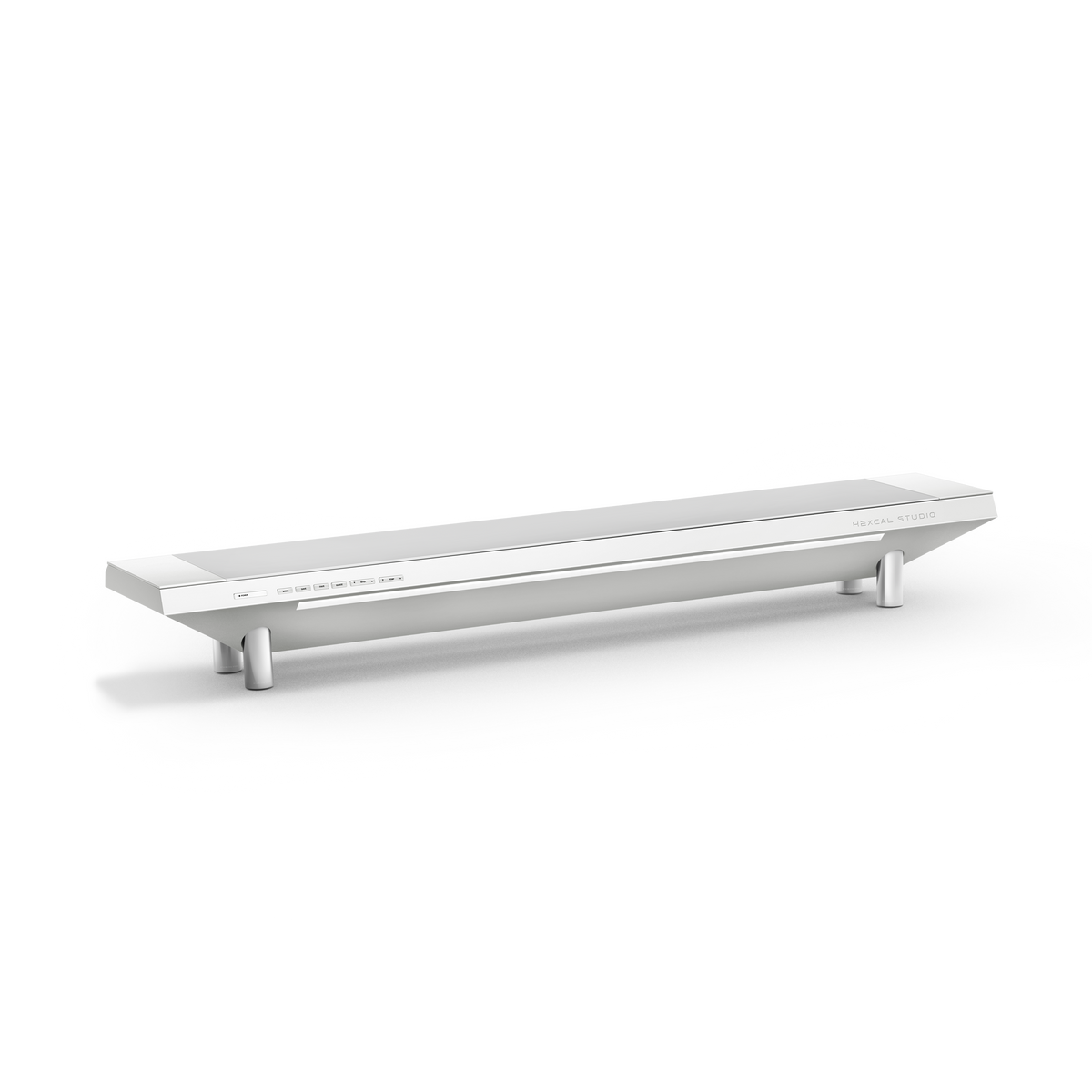
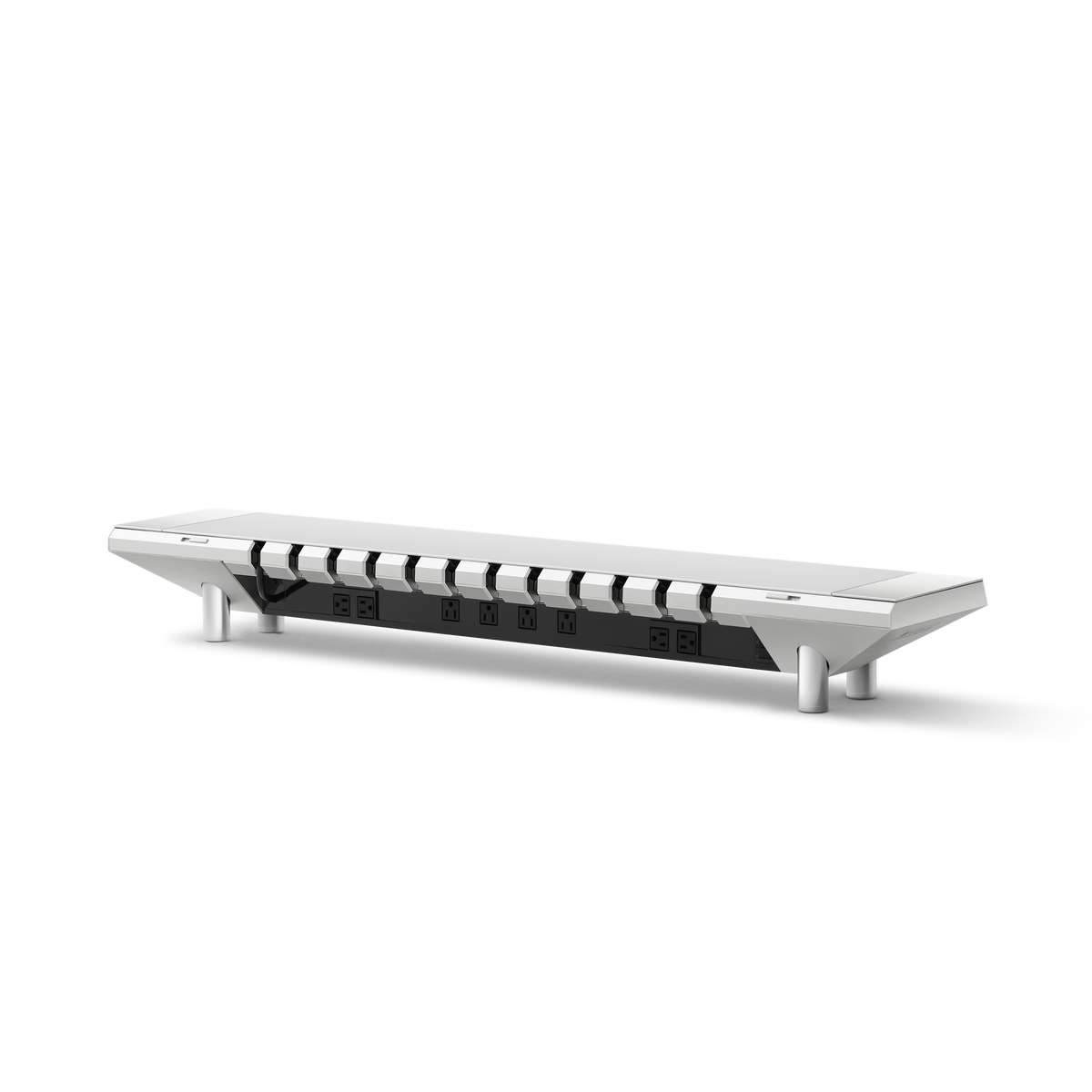
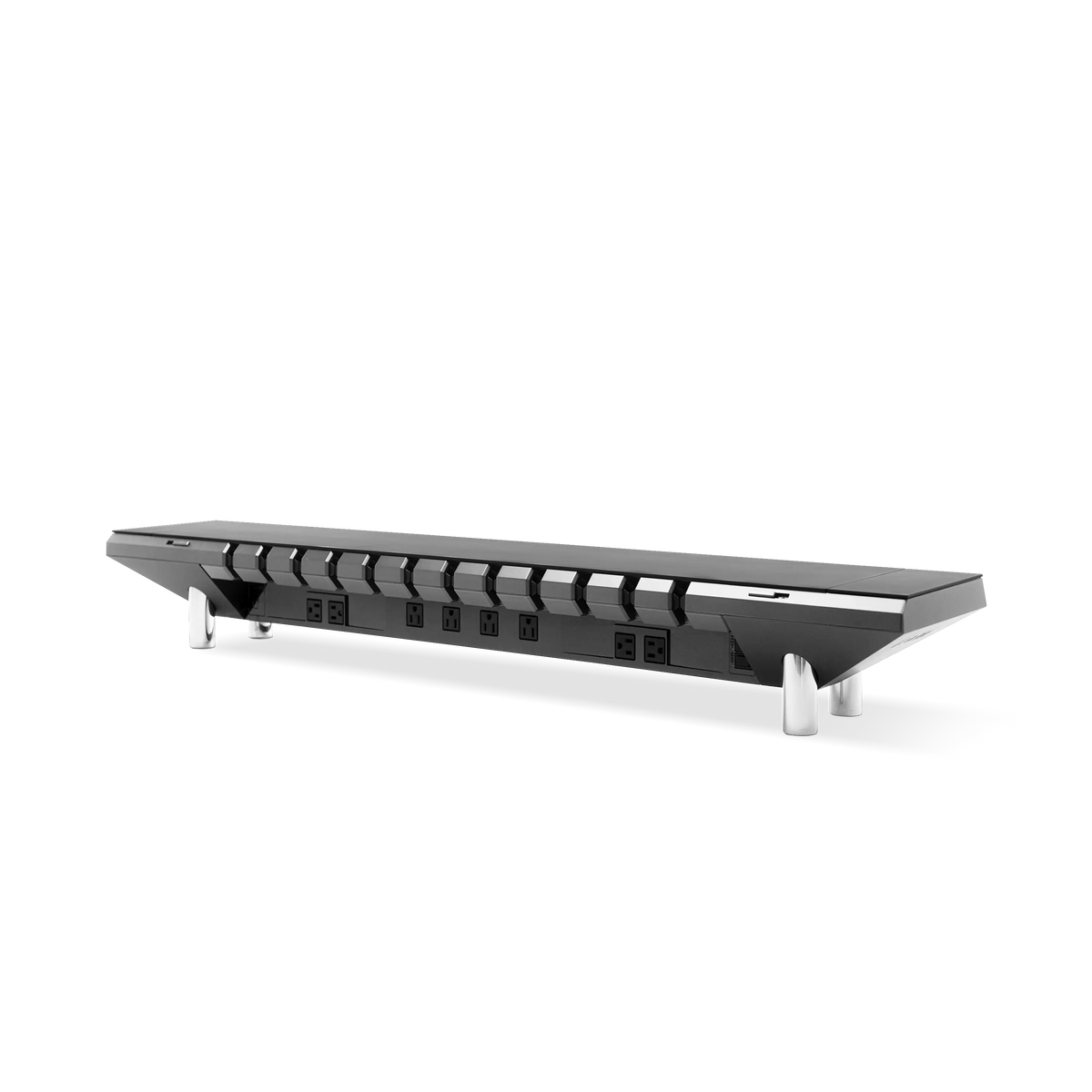
The one real weakness is moisture. Engineered cores are extremely susceptible to water damage wherever the core is exposed, an unsealed edge or, classically, an open grommet hole, where one accidental spill can swell and destroy the panel. The fix is simple: confirm the edges and any cutouts are fully sealed, and route power and cables through a managed surface like the Hexcal Studio rather than an exposed hole in the core.
Laminate and HPL: The Office Workhorse
High Pressure Laminate is what most office furniture surfaces actually are. HPL bonds a melamine layer to the top and bottom of an MDF plank; when heat fuses the adhesive it is called Thermally Fused Laminate. The result is a desk top that does not contract or expand with temperature the way natural wood does, resists scratches and stains better than an oiled wood surface, and costs far less than solid hardwood. For a high-traffic home office where durability beats grain authenticity, a quality HPL surface is the pragmatic pick.
The variability hides in the substrate. Two HPL desk tops that read identically in a website description can differ sharply depending on the grade of MDF underneath and the laminate bonded to it. A premium laminate over a dense, certified core outlasts a budget laminate over a loose particleboard core, and only the certification label tells you which you are getting.

Reading the Emission Label (This Is the Number That Matters)
Emission certification is the single most important spec on a desk top, and it is the one buyers skip. In the United States, the EPA's TSCA Title VI standard caps formaldehyde for composite wood as low as 0.05 ppm depending on the panel type, with hardwood plywood held to 0.05 ppm, particleboard to 0.09 ppm, and MDF to 0.11 ppm, mirroring California's CARB Phase 2. In Europe, the EN 717-1 chamber test defines E1 at no more than 0.124 mg/m³ (about 0.1 ppm), while the stricter E0 class targets roughly 0.05 ppm. When you compare any wood desk top, find the standard code, TSCA Title VI, CARB Phase 2, E1, or E0, match it to the panel type, and treat a missing label as a red flag, not a neutral.
Thickness, Size, and the Specs That Decide Sag
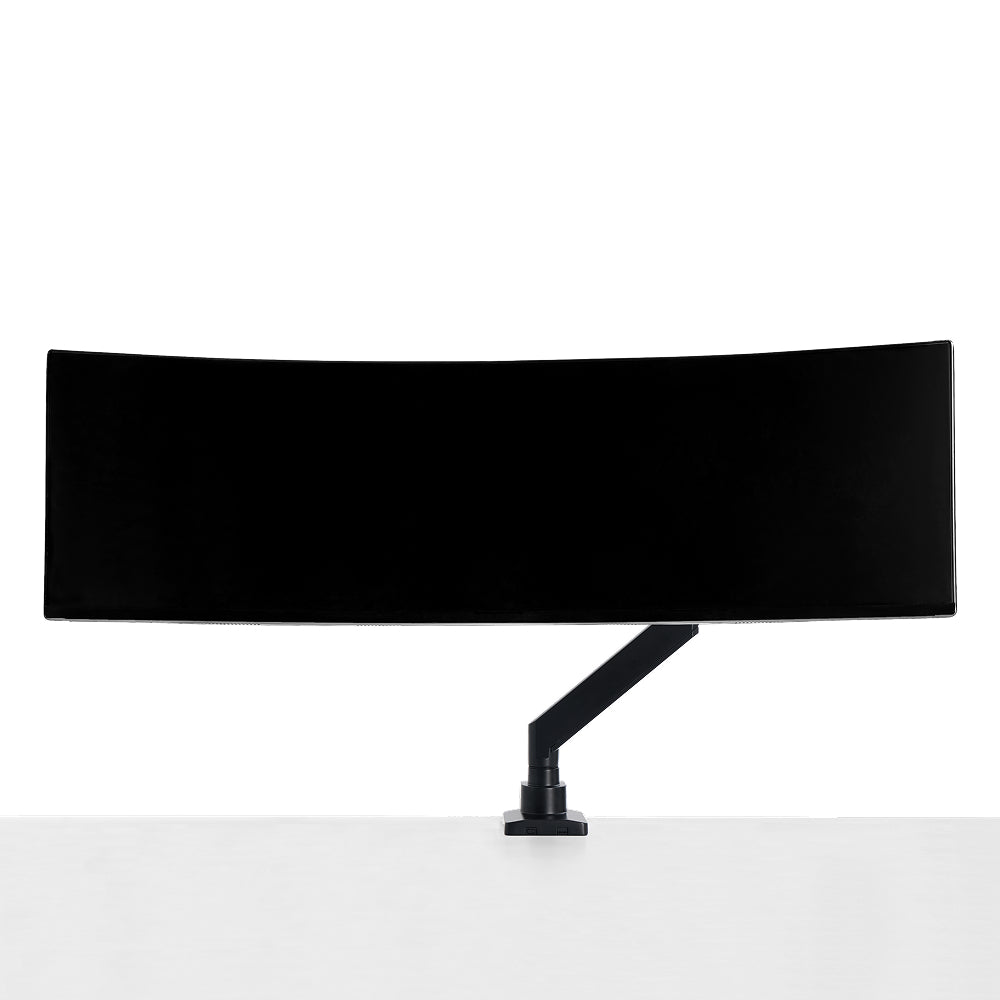
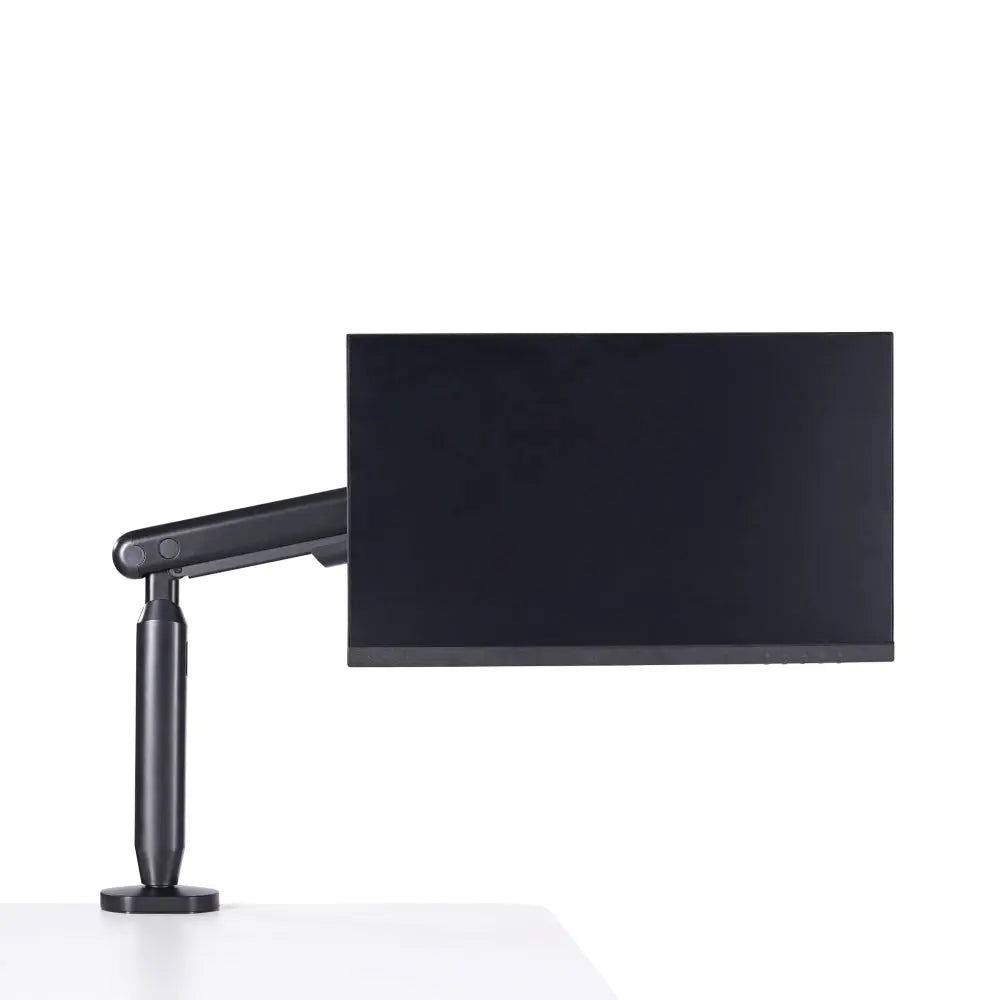
A desk top's dimensions are not just about elbow room. Thickness governs how much the surface deflects under a monitor arm clamped at the back edge: a 25 mm panel is the practical minimum for a wide standing surface, and thinner tops flex visibly under load at the corners. Surface size has to be matched to the frame and the body using it, and footprint decides the shape too, since a corner workstation built around an L-shaped standing desk asks more of the core than a straight top. Pairing a generous desk top with a frame that travels 620-1270 mm keeps the whole setup inside the ISO 9241-5:2024 seated-to-standing posture range, and how to read frame legs, motors, and load specs matters as much as the surface itself, while a beautiful slab on a frame that bottoms out too high leaves shorter users perched. Edge sealing and corner radius round out the spec list; sharp unsealed edges are both a comfort and a moisture liability. Finish the picture with a Hexcal Inspire Chair so the seated height the surface enables is actually usable.

Desk Top Material Comparison
| Material | Emission story | Moisture / warp | Best for |
|---|---|---|---|
| Solid wood | Low, depends on finish VOCs | Can cup/check; needs maintenance | Buyers who will re-oil and refinish |
| Engineered (MDF/particleboard) | Low if TSCA Title VI / CARB Phase 2 certified for its panel type | Stable; vulnerable at exposed core | Zero-warp stability, integrated frames |
| HPL / TFL laminate | Depends on MDF core certification | Very stable; scratch/stain resistant | High-traffic, durability over grain |
The best desk top is the one whose core, finish, and certification you have actually verified, not the prettiest grain in the thumbnail. If you want natural character and will maintain it, a certified solid wood surface with a low-VOC finish rewards the effort. If you want a surface that never warps, mounts cleanly, and is part of a complete sit-stand system, a certified engineered top, like the particleboard surface on the Hexcal Elevate Standing Desk, paired with a Hexcal Studio to keep cables off the core, is the lower-risk long-term call. One honest boundary: because we sell complete desks rather than bare tabletops, if you only need a replacement slab for an existing frame, a dedicated surface vendor is the right place to look. Read the label, check the thickness, and buy the desk top you will still trust in ten years.
By the Hexcal team.