Solid Wood Standing Desk in Walnut: What a Premium Setup Actually Demands

Walk through any "premium desk setup" inspiration feed and the formula looks settled: buy a thick slab of solid walnut, bolt it to a frame, and the workspace is elevated. The slab does most of the visual work, so the assumption is that the slab is the decision. That assumption is where most expensive setups quietly go wrong. A solid wood standing desk is not a static piece of furniture sitting still in a showroom. It is a living material mounted on a machine that raises and lowers it several times a day, and the two have to be engineered to coexist. The slab is the part you photograph. It is rarely the part that determines whether the desk still feels premium in three years. If you are weighing a real long-term workspace rather than a one-season aesthetic, it is worth understanding the Hexcal Elevate Standing Desk as a system before you fixate on the wood grain.
Key Takeaways
- Black walnut measures roughly 1,010 lbf on the Janka Hardness Test, a medium-hard wood, softer than white oak (1,360) and far softer than the "Brazilian walnut" (Ipe, 3,684) it is often confused with.
- A 40-inch flat-sawn solid wood top can move close to 7/8 inch across a single seasonal humidity swing, which is the failure point most slab-first sellers never mention.
- A premium setup is a three-layer system of surface, structure, and infrastructure, not a single hero slab. Budgeting all the money into the wood starves the other two layers.
- Choose solid wood if you want a surface that ages and can be refinished; choose engineered or veneered surfaces if dead-flat stability and a lower price matter more than patina.
- This logic assumes a height-adjustable standing desk with a load-bearing frame. It does not apply to a fixed floating desk with no under-surface mounting plane.

The Walnut Naming Trap That Inflates Half the Listings
The word "walnut" is doing more marketing work than engineering work in most product titles. The Janka Hardness Test, which presses an 11.28 mm steel ball halfway into wood air-dried to 12% moisture content and records the pounds-force required, puts North American black walnut at about 1,010 lbf. That is a medium hardness, lower than white oak at 1,360 lbf and hard maple at 1,450 lbf. Yet listings routinely lean on the prestige of "walnut" without specifying which walnut, and shoppers who stop reading at the first match assume they are getting something denser than they are. The confusion is worst with Ipe, sold as "Brazilian walnut," which sits near 3,684 lbf and is a completely different material. The takeaway is not that black walnut is weak. It is that hardness and species name are not interchangeable, and a premium price should buy you a spec sheet, not a vibe. We treat the Janka number as a baseline data point the same way we treat a load rating, because both are verifiable and both predict how the surface survives daily contact.
Layer 1, The Surface: Solid Wood Versus the Honest Alternatives
Solid wood earns its place for two real reasons: it can be sanded and refinished after years of wear, and it develops a patina that engineered surfaces only imitate. Those are genuine advantages, and if you want a surface that gets better with age, this is the layer to spend on. But solid wood is not automatically the right answer for every setup, and pretending otherwise is the conventional wisdom we push back on. A dead-flat, dimensionally stable surface under a precise dual-monitor rig sometimes argues for an engineered core with a real wood veneer, or a high-grade laminate, instead of a slab that will telegraph every humidity change. We unpack that full trade-off in our breakdown of how to choose the best desk top across wood, engineered, and laminate surfaces, because the choice is a function of your room and your tolerance for movement, not a universal ranking. The point of Layer 1 is that "solid wood" is a deliberate engineering decision with costs, not a default upgrade you buy to signal taste.
Layer 2, The Structure: Wood Movement Meets a Moving Frame
Here is the number the slab-first listings skip. Wood expands and contracts across the grain as humidity shifts, and the math is not subtle. Using the standard tangential coefficient for flat-sawn black walnut, a 40-inch top can move close to 7/8 inch across an 8% seasonal moisture swing; quarter-sawn cutting reduces that to roughly 5/8 inch, which is exactly why grain orientation belongs on the spec sheet. On a fixed table this movement is a craftsmanship detail. On a height-adjustable standing desk it is a structural design problem, because the top is fastened to a steel frame and lifted thousands of times. The mounting hardware has to let the wood breathe through slotted or floating fasteners, or the slab fights the frame and eventually cups, splits, or loosens at the joints. A frame that ignores wood movement will hand you a wobble that no amount of premium walnut can fix. This is the layer where a real standing desk has to be engineered around the material, and it is the single most common reason a beautiful solid wood standing desk stops feeling premium after its first winter.

Layer 3, The Infrastructure: Why the Slab Is Only One-Third of the Spend
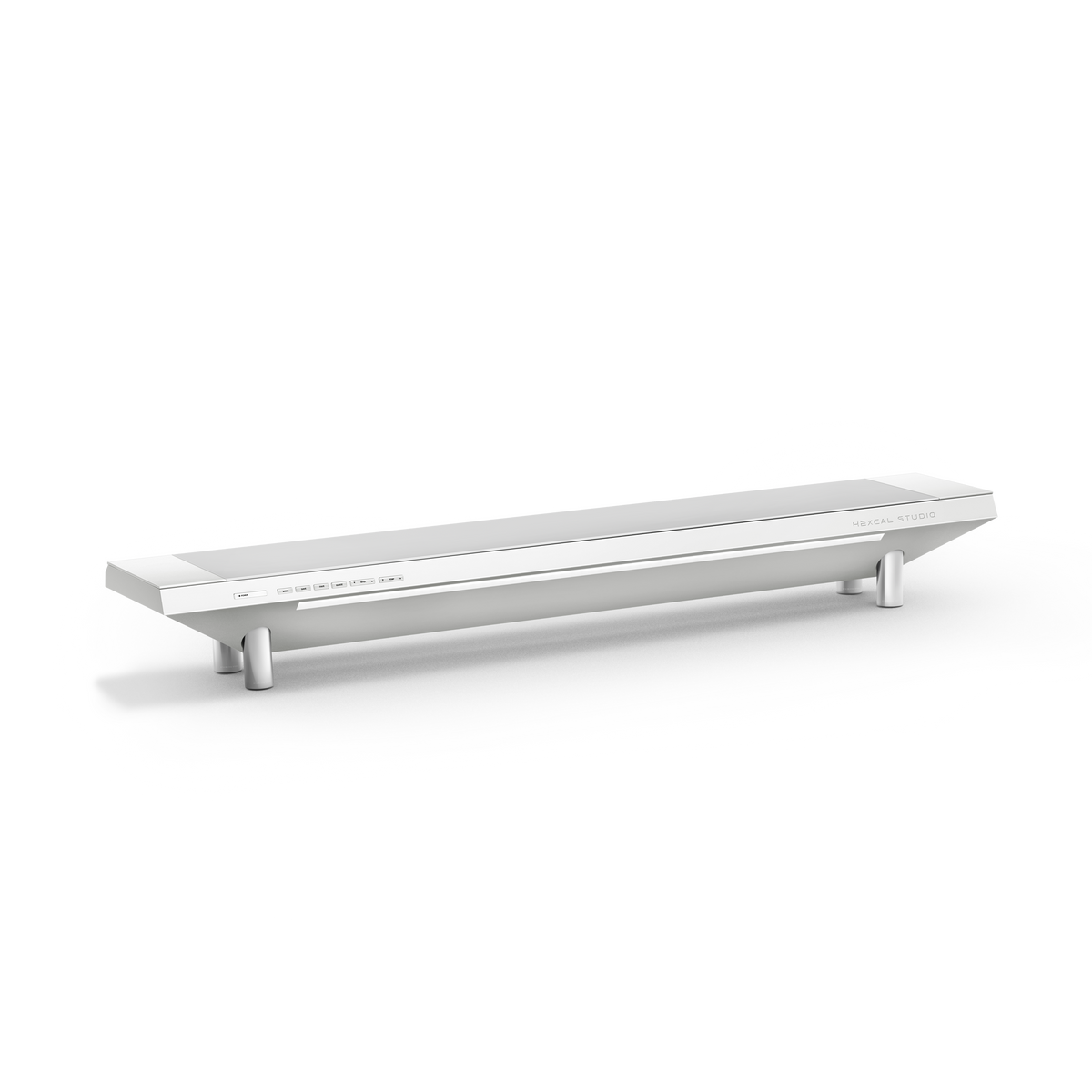
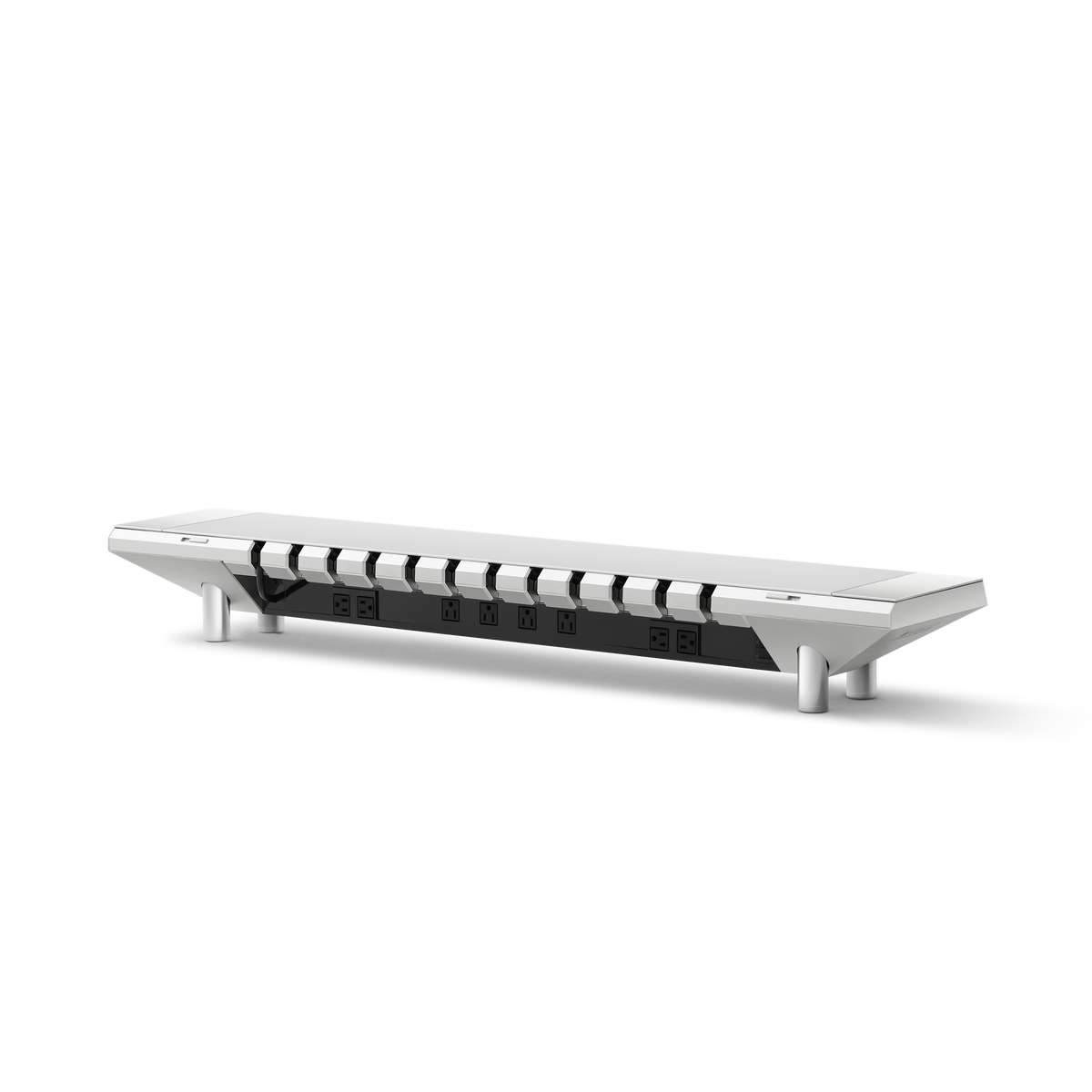
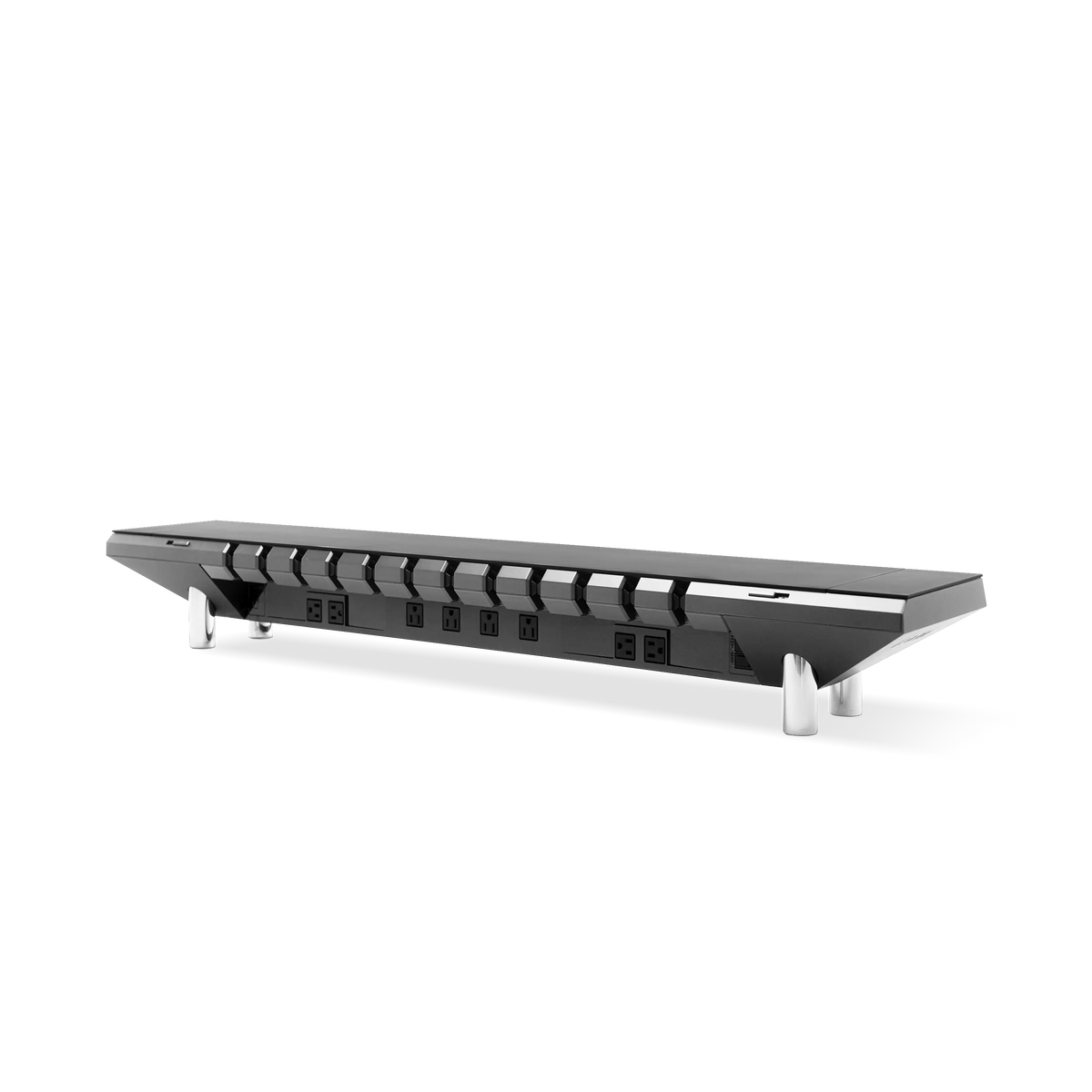
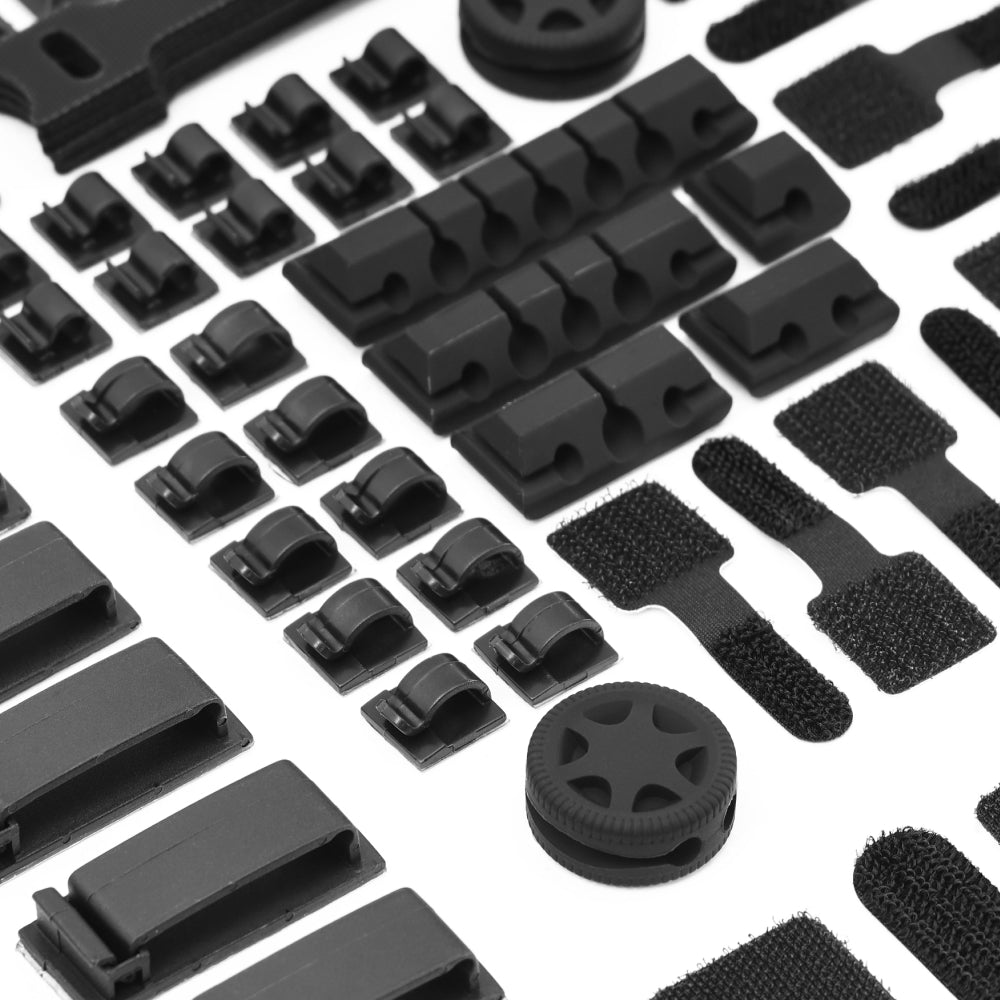
A premium setup is not a single hero slab; it is the integration of surface, structure, and infrastructure into one quiet system. The third layer is everything that makes the desk usable without clutter, meaning power, cabling, lighting, and monitor support, and it is where most wood-obsessed budgets run dry. A walnut top covered in adapters and a tangle of cables is not premium; it is an expensive surface for visual noise. This is where the rest of the workspace has to carry its weight. The Hexcal Studio consolidates distributed power, cable management, and task lighting into one platform that sits on the surface instead of fighting it, with up to 1,440W of distributed output so you are not daisy-chaining power strips under a beautiful top. Treating infrastructure as an afterthought is the fastest way to undermine the slab you paid the most for. The slab sets the tone; the infrastructure decides whether the tone survives a real workday.

The Monitor Question Nobody Asks Before Buying the Slab
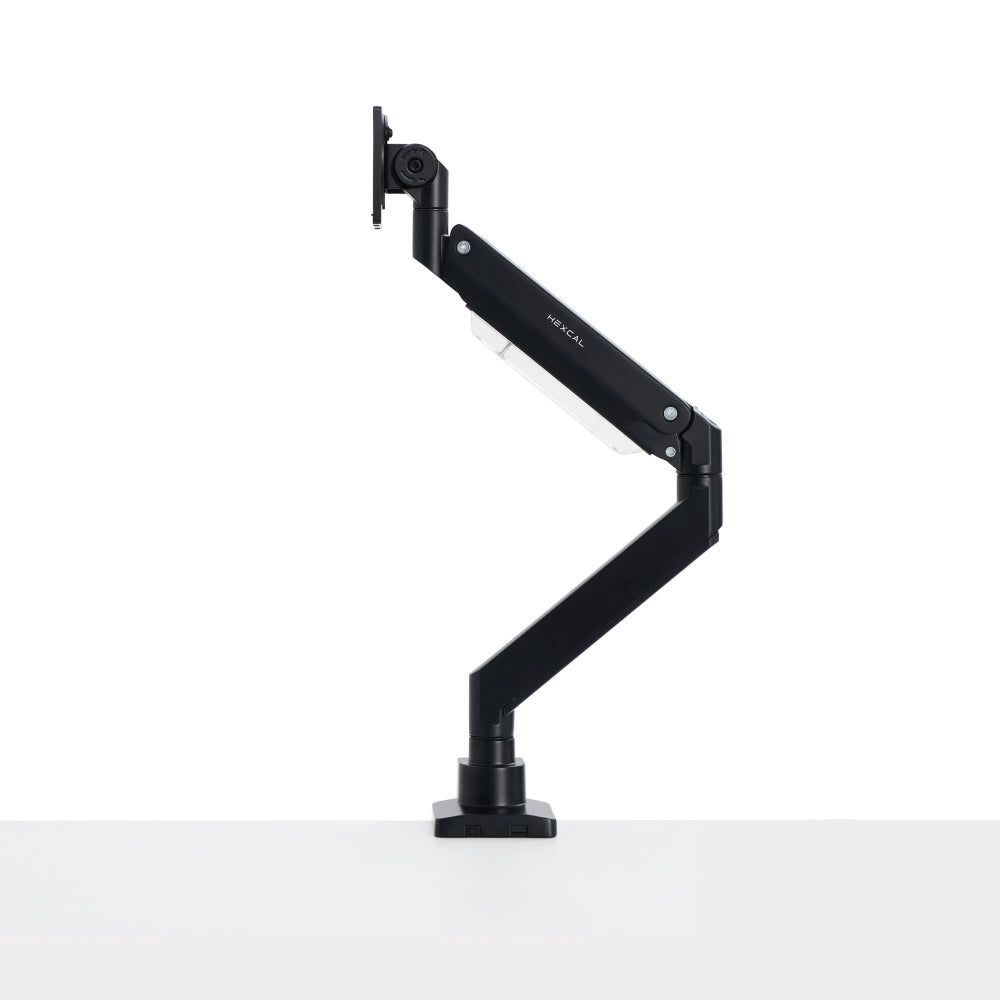
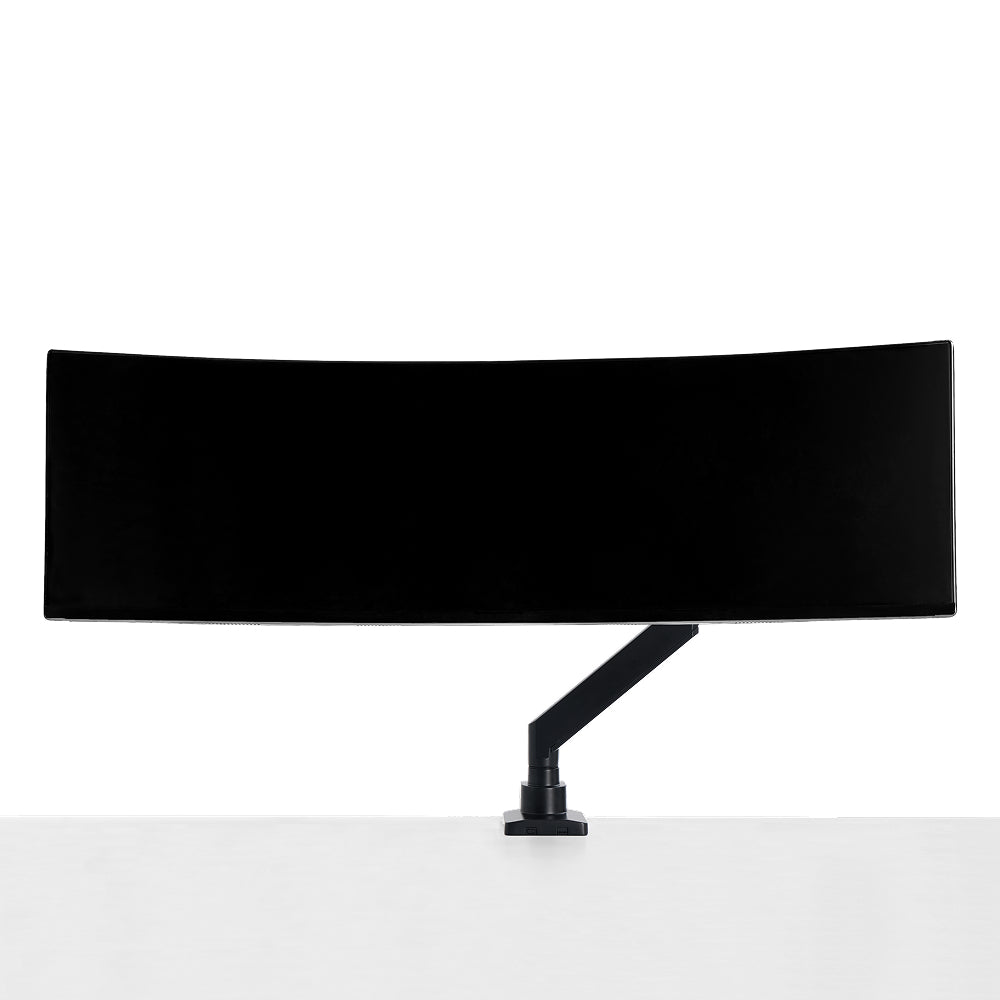
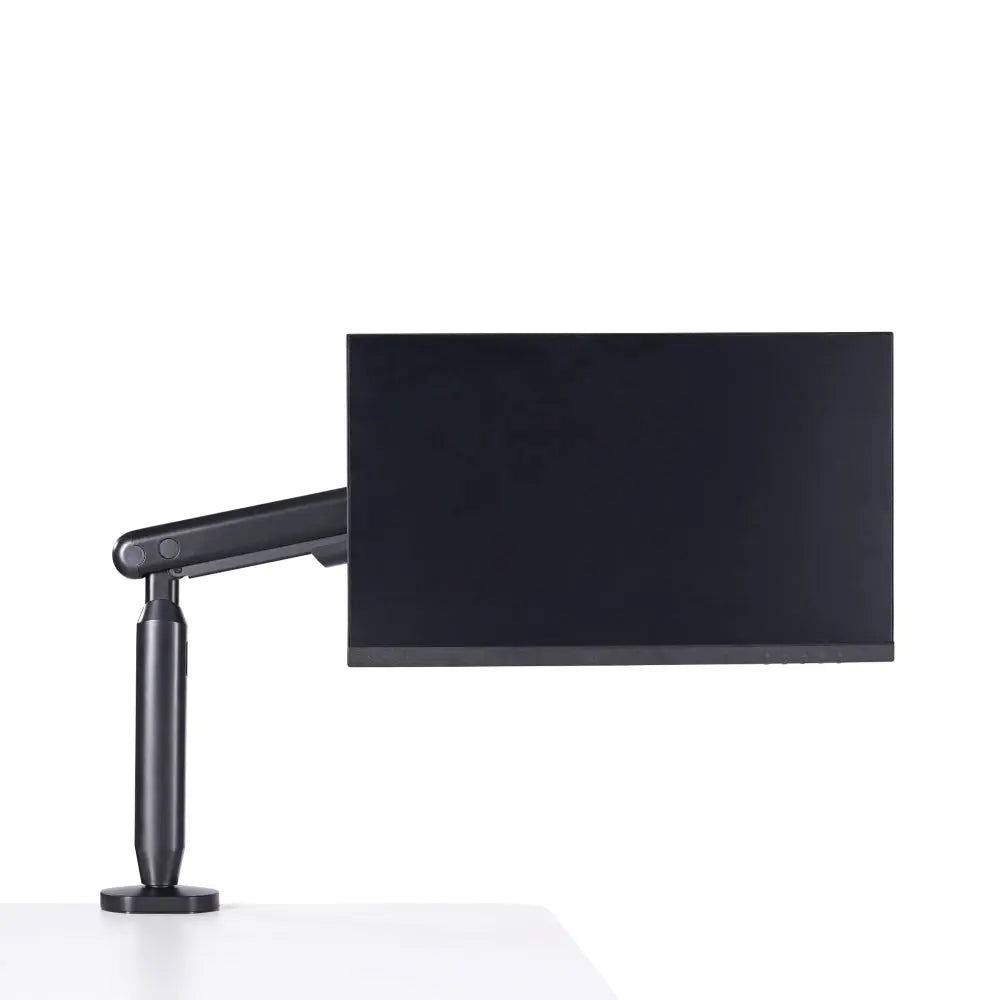
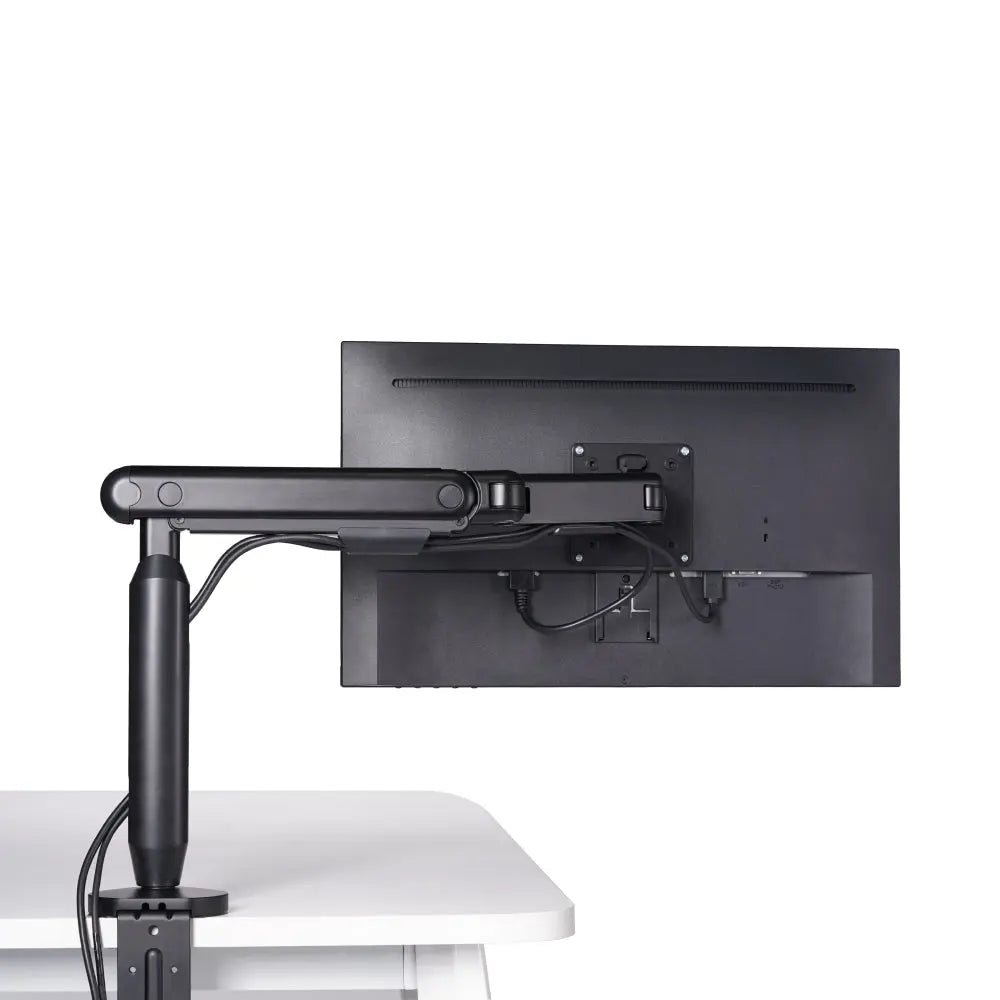
Solid wood introduces one constraint that engineered tops do not: drilling and clamping into a slab you intend to keep for a decade is a higher-stakes decision. A clamp-mounted arm needs a clean edge within its clamp range, and a grommet mount means a permanent hole in real wood. The Hexcal Single Monitor Arm is built for exactly this evaluation. It supports screens up to 35 inches and 3 to 11 kg on VESA 75x75 or 100x100, and it offers both clamp (10-80 mm desk thickness) and grommet (10-35 mm) mounting so you can pick the option that respects your surface. Matching the arm to the slab's edge profile and thickness before you commit means you reclaim desk space without compromising the wood. The honest limitation: this single-arm guidance covers standard screens up to 35 inches, so a heavy ultrawide or a triple-monitor wall is a different mounting class entirely and should not be forced onto a single entry-level arm. Plan the mount before the slab arrives, not after you are staring at a drill and a thousand-dollar top.

How to Decide: A Tier-Based Buying Frame
Reduce the decision to three tiers and the wood stops being the whole conversation. Tier 1 is the surface question: solid wood for refinish-and-patina longevity, engineered or veneer for dead-flat stability and a lower price. If you live in a small apartment with wide seasonal humidity swings, solid wood is the harder material to manage, and that is a legitimate reason to choose otherwise. Tier 2 is the structure question: confirm the frame uses floating fasteners that accommodate wood movement, and confirm the lift mechanism is rated for the loaded weight of a thick slab. Tier 3 is the infrastructure question: budget for power, cabling, and monitor support as part of the desk, not as accessories you bolt on later. A genuinely premium workspace is built in that order, which is also why we frame the Hexcal Elevate Standing Desk as a structure-and-infrastructure platform first and let the surface be the choice you personalize on top of it.
A note on how to read this: Hexcal designs and manufactures the Elevate Standing Desk, the Hexcal Studio, and the Single Monitor Arm referenced here, so this is not an independent third-party review. It is an in-house engineering perspective from a team that builds these systems. The wood-movement and Janka figures above come from the standard Janka Hardness Test methodology and published species data, not from our marketing. A solid wood standing desk is not a slab you buy; it is a system you engineer, and the walnut is the part you get to enjoy once the structure underneath it is right.

By the Hexcal team.