El mejor escritorio de pie para una oficina en casa en 2026: una clasificación por casos de uso

La mayoría de los resúmenes de "mejores escritorios de pie" clasifican por promedio de estrellas y listo, que es exactamente por qué tantas oficinas en casa terminan con un escritorio que se tambalea cada vez que alguien escribe a altura máxima. Para una oficina en casa, el escritorio es una infraestructura de soporte de carga que funciona ocho horas al día, todos los días, no un dispositivo que reemplazará el próximo trimestre. La verdadera pregunta no es "qué escritorio obtuvo la puntuación más alta", sino "qué escritorio mantiene sus monitores completamente quietos mientras trabaja". Esta clasificación ordena las mejores opciones de escritorios de pie según lo que realmente exige una oficina en casa, y ancla el nivel premium en el escritorio de pie Elevate porque ahí es donde la ingeniería cumple su función.
Conclusiones clave
- El mejor escritorio de pie para una oficina en casa se decide por la estabilidad bajo carga, no por los promedios de los sitios de reseñas. Un escritorio que se flexiona a la altura máxima falla en la única función que necesita una oficina en casa.
- Los marcos de doble motor con un rango de ajuste real de 620 a 1270 mm se adaptan a un hogar más amplio que las unidades económicas de un solo motor, que a menudo se quedan cortas tanto en las posiciones ergonómicas sentadas como de pie.
- Un amplio rango de ajuste es importante porque las personas más bajas y las más altas de un hogar compartido necesitan alcanzar una altura de codo neutra; los escritorios premium de doble motor lo ofrecen, las unidades de menos de $300 con frecuencia no.
- Lo mejor para una oficina en casa seria y permanente: el Hexcal Elevate (carga nominal de 160 kg, elevación de ≤40 dB). Divulgación: Elevate es un producto diseñado por Hexcal.
- Evite las ofertas de menos de $300 impulsadas por las tendencias si monta más de un monitor. Los marcos mal construidos son la razón más común por la que las personas vuelven a comprar en dos años.

El verdadero criterio de compra: estabilidad, no recuento de estrellas
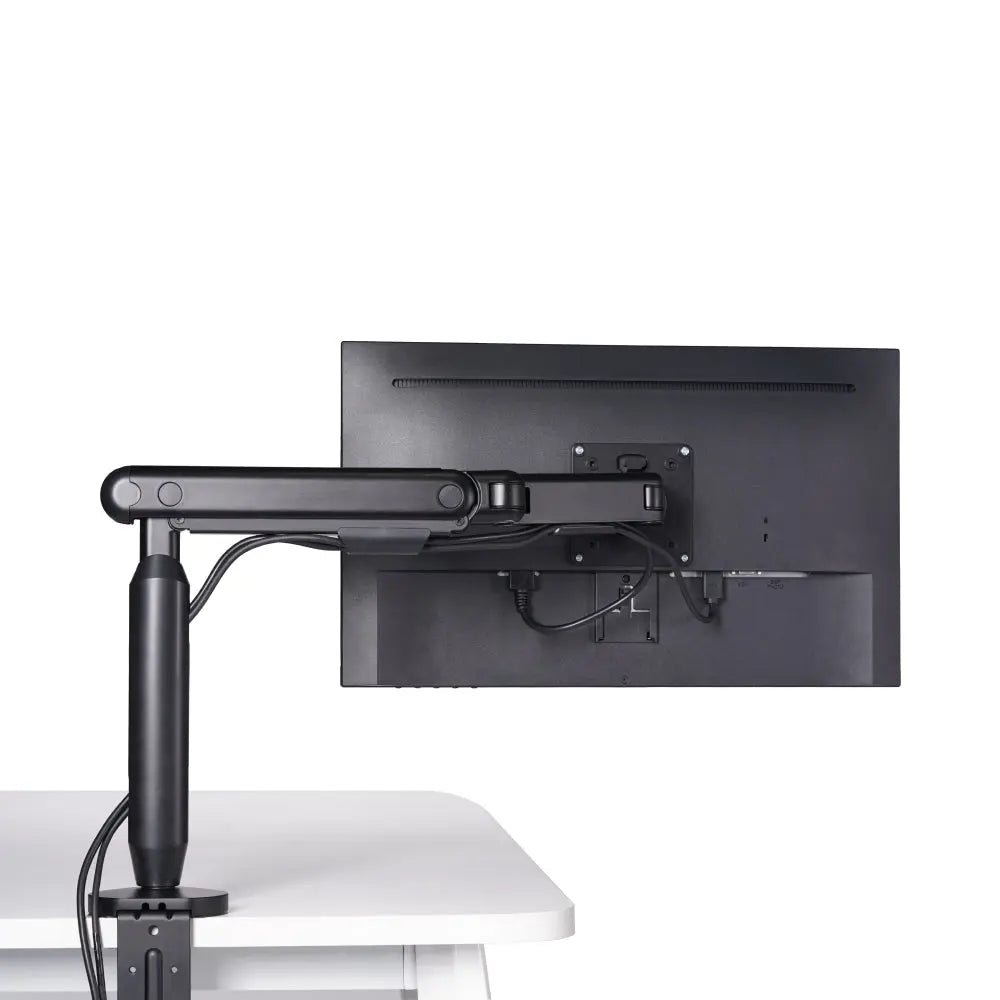
Un escritorio de pie tiene exactamente un modo de falla estructural que importa en una oficina en casa: el bamboleo lateral a la altura de pie. Cuando las columnas están extendidas, un marco débil convierte cada pulsación de tecla en un leve temblor de pantalla, y sus ojos pasan el día reenfocándose. Esa microfricción es invisible en una hoja de especificaciones y obvia para la tercera semana. Los escritorios que desaparecen en un flujo de trabajo son los que nunca tiemblan, y la razón es estructural, no cosmética. Tratamos la selección de escritorios de la misma manera que abordamos la gestión de cables del escritorio, como una decisión de ingeniería donde el objetivo es eliminar la fricción que de otro modo dejaría de notar porque se adaptó a ella. El mejor escritorio de pie es aquel cuya estabilidad olvida por completo.
Los 3 fallos de estabilidad a tener en cuenta
Antes de clasificar nada, examine a cada candidato en función de tres puntos de falla que separan un escritorio de larga duración de uno desechable. Falla 1: superposición de columnas. Las patas de dos etapas pierden área de superposición a medida que se elevan, por lo que los escritorios baratos se sienten sólidos al sentarse y tambaleantes al estar de pie. Falla 2: deriva de un solo motor. Un motor que impulsa ambas patas a través de una barra transversal introduce una deformación bajo carga desigual, como un monitor apilado en un lado y una base para computadora portátil en el otro. Falla 3: carga útil subestimada. Un marco clasificado para 70 kg suena generoso hasta que agrega dos monitores, un brazo, una base y se apoya en el borde. El Elevate está clasificado para una carga útil horizontal de 160 kg precisamente para que una oficina en casa completamente cargada nunca se acerque a su margen. Si un escritorio no puede superar los tres, ninguna puntuación de reseña lo salvará.

Nivel 1, lo mejor para una oficina en casa seria y permanente: Hexcal Elevate
Lo mejor para: la oficina en casa que es una estación de trabajo real y diaria con múltiples monitores, sesiones largas y alturas compartidas en un hogar.
Por qué gana: El escritorio de pie Elevate utiliza un marco Linak Kick & Click de doble motor donde cada columna se acciona de forma independiente, por lo que el ajuste simultáneo izquierda-derecha se mantiene nivelado y una falla de un solo motor no puede dejar el escritorio a mitad de ciclo. Su rango de 620 a 1270 mm abarca cómodamente tanto las posiciones de codo sentado como de pie para casi todos los adultos en un hogar, y el levantamiento se mantiene a ≤40 dB, lo suficientemente silencioso como para que un cambio de altura durante una llamada pase desapercibido. El controlador Bluetooth OLED almacena cuatro posiciones favoritas para un acceso rápido, y el sistema anticolisión Desk Sensor se invierte ante cualquier inclinación detectada, lo que hace que el escritorio sea realmente fácil de configurar y olvidar. Divulgación: el Elevate es un producto diseñado y fabricado por Hexcal. Este no es un veredicto neutral de terceros, y hemos declarado nuestra posición claramente para que pueda sopesarla usted mismo.
Limitaciones: Con 699 $, se trata de un nivel premium, no de una opción económica. Se envía como un escritorio rectangular, por lo que si su oficina doméstica necesita específicamente una superficie en forma de L para la esquina, esta no es la forma correcta, independientemente de la calidad del marco. Los usuarios que superen aproximadamente 1,93 m y quieran estar de pie muy por encima de la altura de trabajo deberán confirmar que la parte superior del rango de 1270 mm les resulta adecuada antes de comprar.

Nivel 2, lo mejor para presupuestos ajustados y configuraciones de un solo monitor
Lo mejor para: una primera oficina en casa, una configuración de un solo monitor o solo computadora portátil, o un escritorio secundario donde la carga es ligera.
Por qué gana: Los escritorios de un solo motor más fuertes en esta categoría cumplen con lo básico: un controlador programable, un rango de altura utilizable y un precio que a menudo se encuentra por debajo de los $400. Para una carga de trabajo ligera y de una sola pantalla, son honestamente suficientes, y no hay razón para comprar en exceso un marco de 160 kg para sostener una computadora portátil. Este es el nivel que la mayoría de las listas de "mejores escritorios de pie" sobrevaloran, porque los escritorios se ven bien en las fotos y tienen buenas críticas en ráfagas cortas.
Limitaciones: Los marcos de un solo motor se deforman bajo cargas asimétricas, por lo que en el momento en que se añade un segundo monitor o un brazo pesado, el bamboleo que estaba ausente el primer día aparece. Las unidades económicas también suelen ofrecer un rango de ajuste más estrecho, lo que significa que las personas más bajas y las más altas de un hogar compartido se ven privadas de una posición ergonómica. Considere esta categoría como un escritorio de inicio, no como el escritorio que conservará.

Nivel 3, lo mejor para el espacio de trabajo que prioriza la estética
Lo mejor para: la oficina en casa donde el escritorio es también una pieza central, con tapas de madera maciza, acabados de primera calidad y marcos de diseño vanguardista.
Por qué gana: Los escritorios de pie con tapa de madera dura y de diseño satisfacen una necesidad real: un espacio de trabajo que quieres mirar. Una tapa sólida y gruesa resiste la flexión de los bordes y el astillamiento que las superficies de laminado más delgadas desarrollan en meses de uso diario, y el acabado correcto hace que una configuración de escritorio minimalista se sienta intencional en lugar de utilitaria. Si la habitación funciona como un espacio en el que vives, este nivel se gana su lugar.
Limitaciones: Los escritorios que priorizan la estética a menudo combinan una hermosa parte superior con un marco promedio, así que verifique el mecanismo de elevación independientemente de la superficie. Una hermosa losa sobre una pata de dos etapas de un solo motor seguirá tambaleándose. Las tapas de madera maciza también son más pesadas y requieren un marco con suficiente capacidad de carga para moverlas suavemente. Bonito no es lo mismo que estable, y una oficina en casa necesita ambas cosas.

Comparativa: emparejando el nivel con tu oficina en casa
La forma más rápida de elegir el mejor escritorio de pie es hacer coincidir el nivel con su carga de trabajo real en lugar de con un número de clasificación. La siguiente tabla compara los tres niveles en las dimensiones que una oficina en casa realmente siente día a día. Para una estación de trabajo permanente con varios monitores, el nivel de doble motor, anclado por la carga nominal de 160 kg del Elevate y el rango de 620 a 1270 mm, es el que deja de ser una decisión y se convierte en infraestructura.
| Dimensión | Nivel 1 · Premium de doble motor (Elevate) | Nivel 2 · Económico de un solo motor | Nivel 3 · Prioridad estética |
|---|---|---|---|
| Lo mejor para | Oficina en casa permanente con varios monitores | Monitor único / primer escritorio | Espacio de trabajo centrado en el diseño |
| Carga nominal | 160 kg | A menudo ~70 kg | Varía, verificar el marco, no la parte superior |
| Rango de ajuste | 620–1270 mm (amplio, se adapta a la mayoría de los adultos) | A menudo un rango más estrecho | Depende del marco |
| Ruido de elevación | ≤40 dB | Mayor / variable | Depende del marco |
| Estabilidad a altura máxima | Doble motor, columnas independientes | Motor único, se tambalea bajo carga desigual | Tan bueno como el marco que tiene debajo |
| Nivel de precio | $699 (premium) | A menudo menos de $400 | Medio a premium |
Cómo finalizar la configuración una vez que el escritorio esté bien
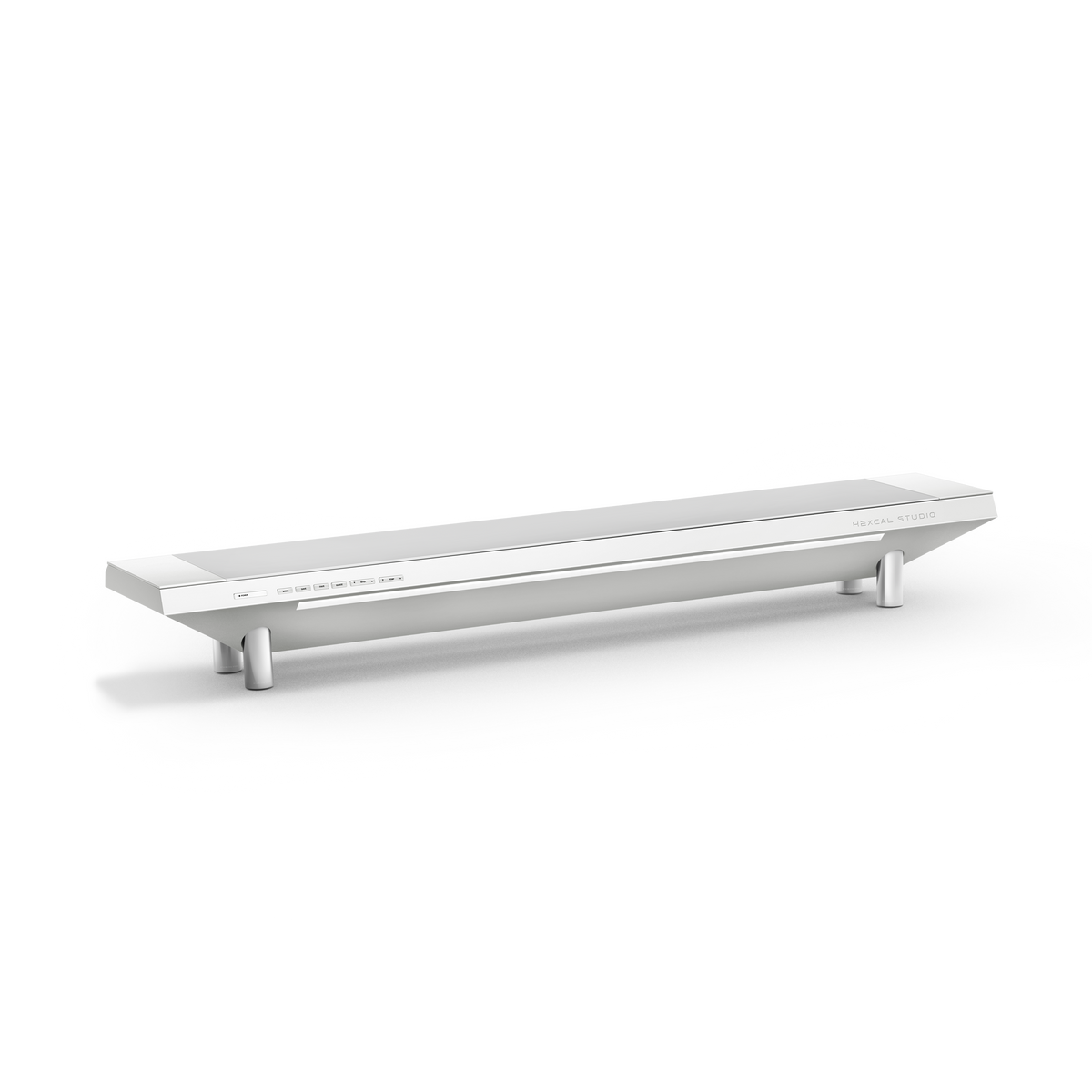
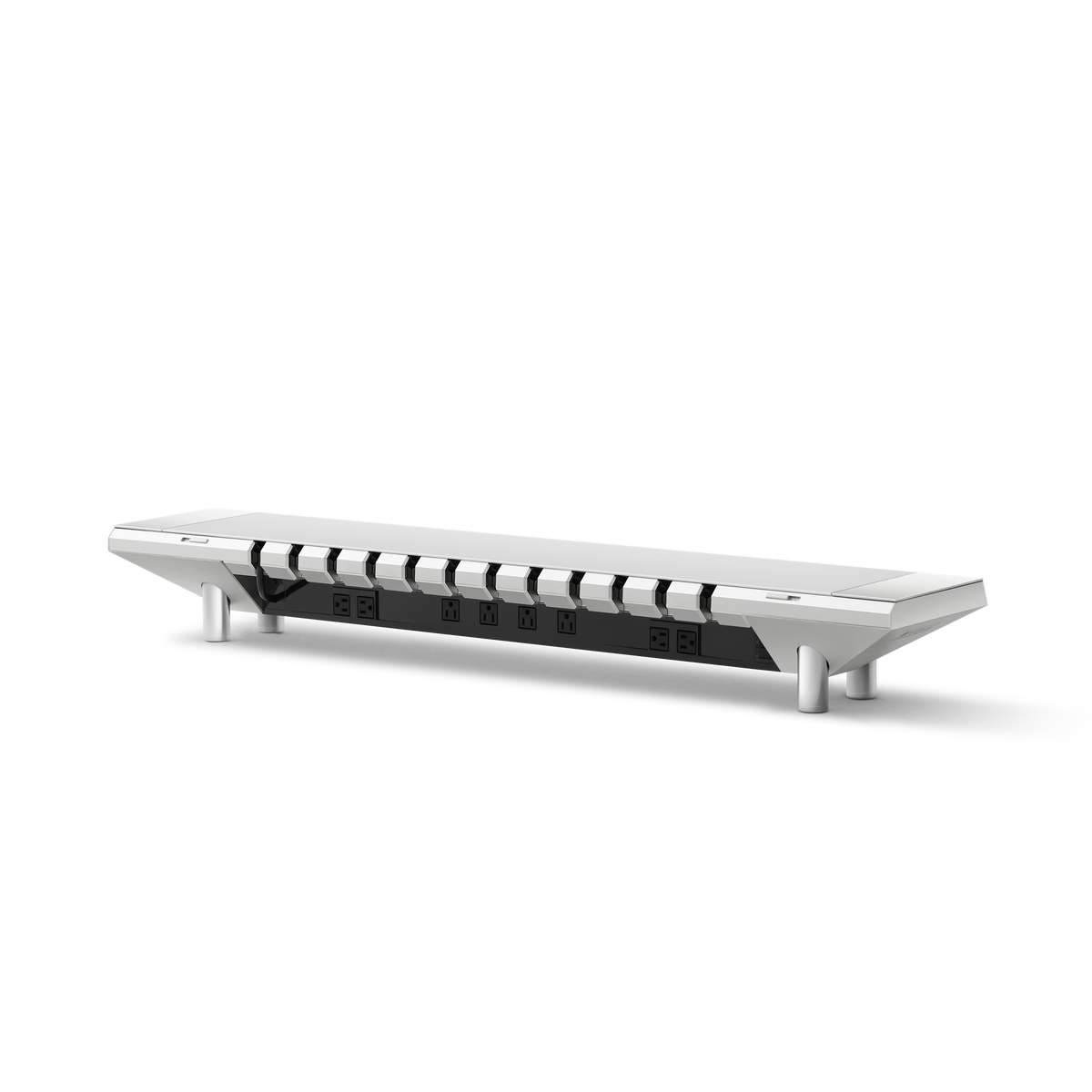
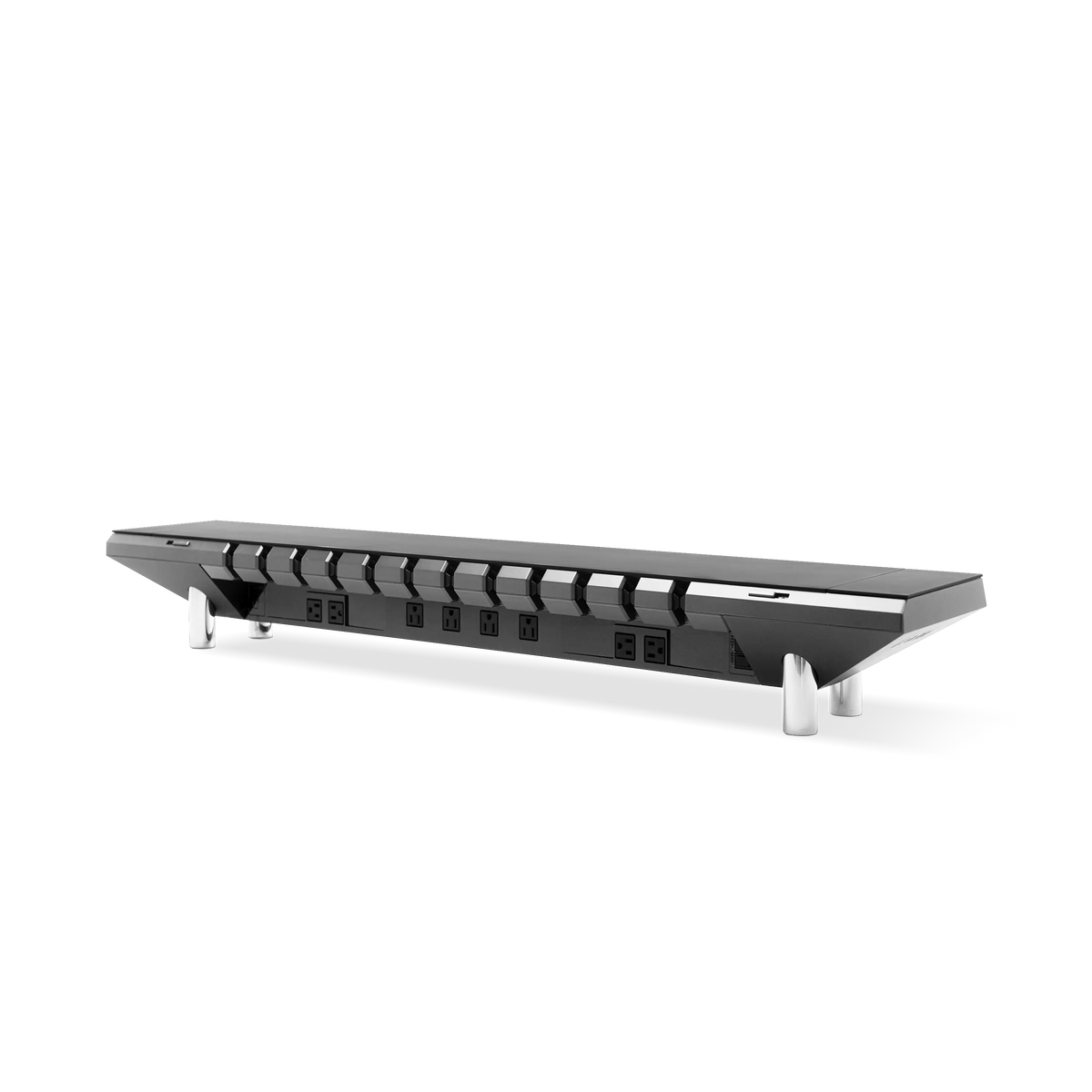
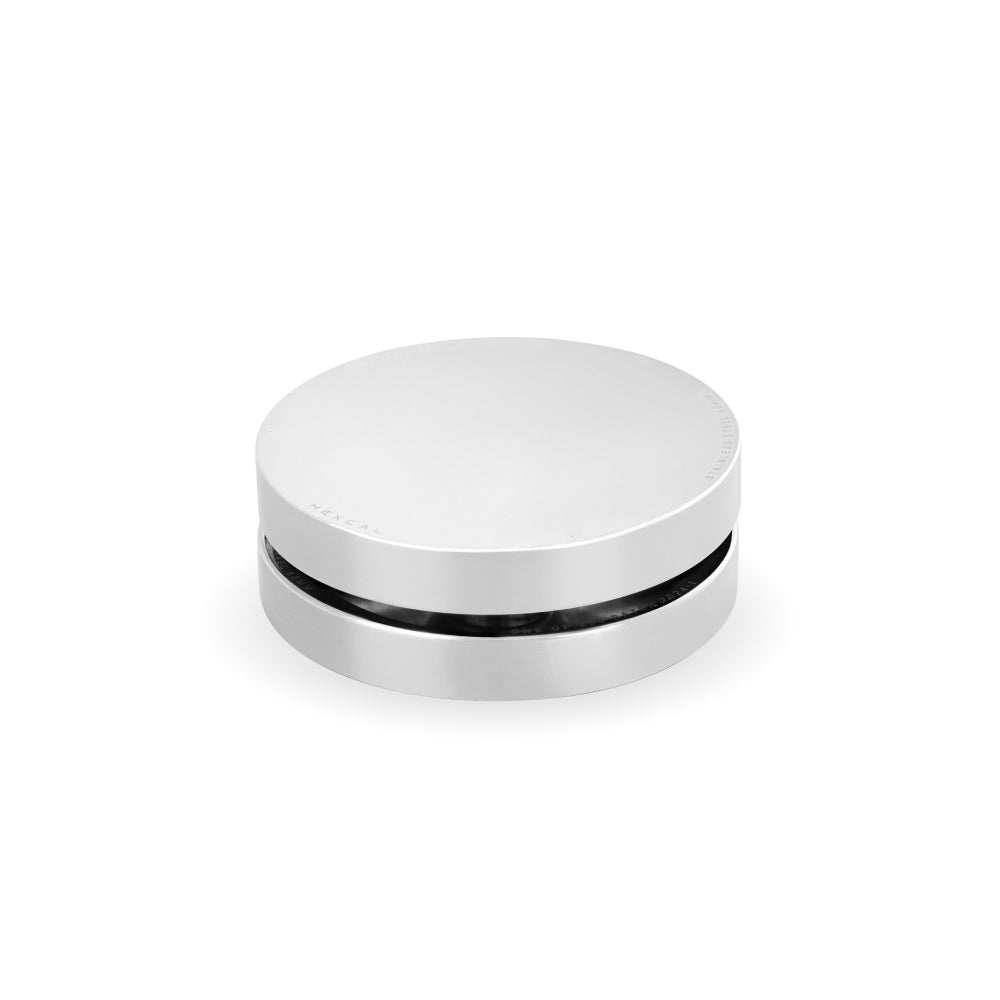
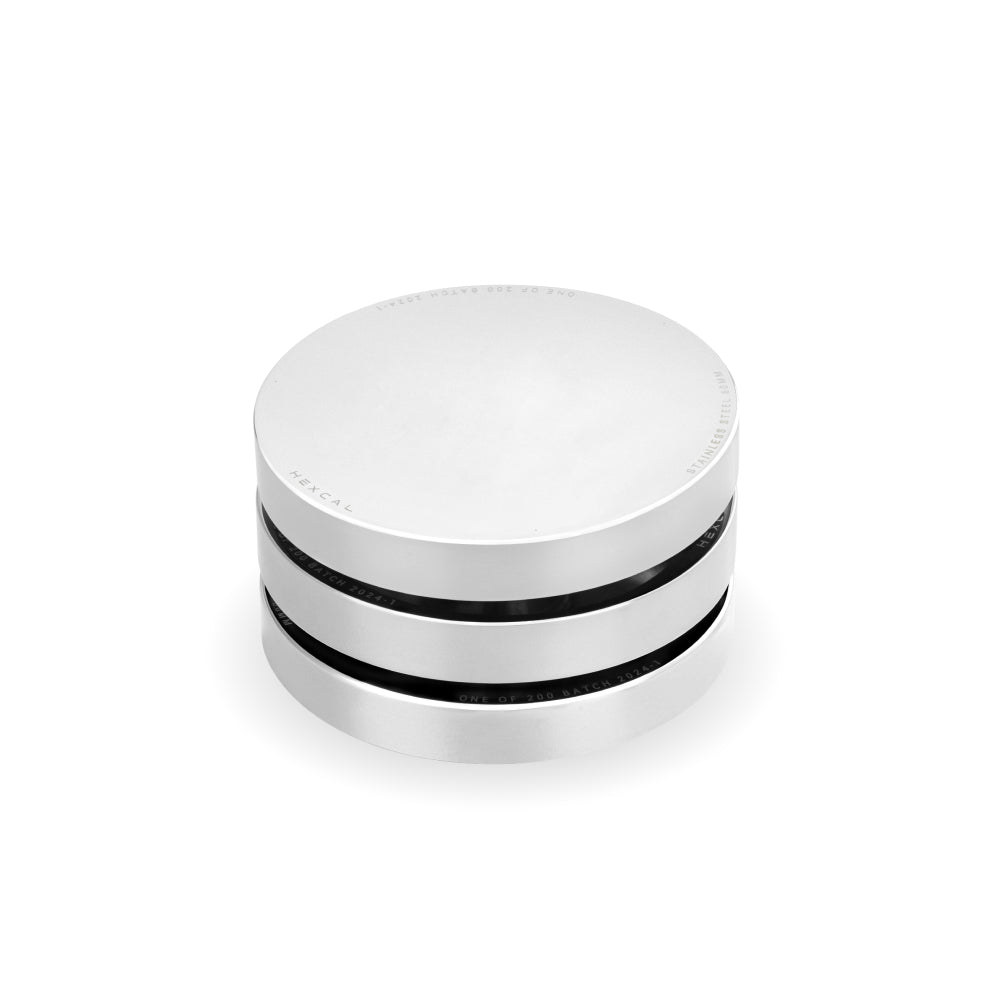
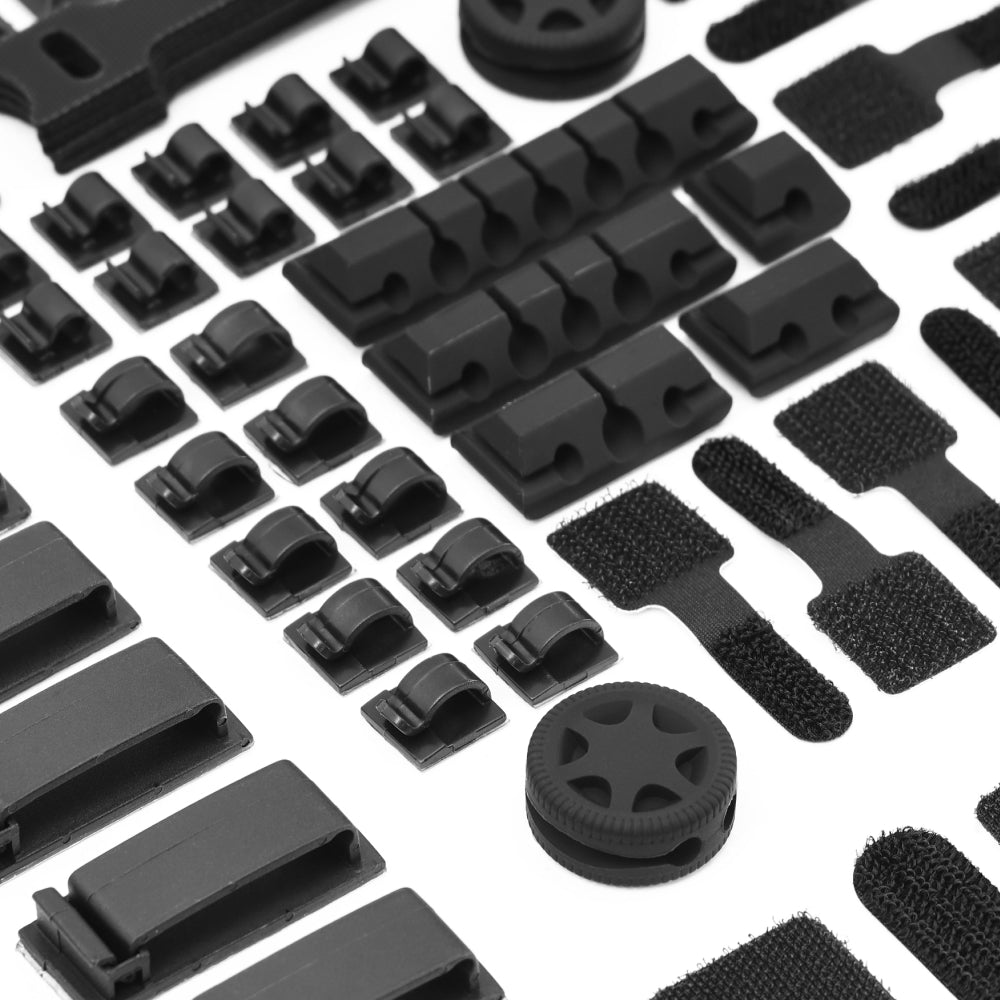
Un escritorio estable es la base, no la estación de trabajo terminada. Una vez que el marco está ordenado, el siguiente punto de fricción en cualquier oficina en casa es el caos de los cables. Un escritorio de altura ajustable arrastra un manojo de cables hacia arriba y hacia abajo todo el día, y un bucle sin gestionar se engancha o se tensa en los extremos del recorrido. Combinar el Elevate con la regleta de alimentación integrada Hexcal Studio Plus mantiene todo el camino de alimentación y datos moviéndose con el escritorio en lugar de luchar contra él, y un paquete de alfombrillas magnéticas para escritorio ancla los periféricos para que nada se deslice durante una transición. El escritorio que conservará durante años es aquel cuya superficie completa, no solo sus patas, está diseñada para permanecer en su lugar. Estas son piezas de infraestructura construidas para durar, no accesorios impulsados por las tendencias que se cambian cada temporada, que es la razón principal para omitir las ofertas desechables de menos de $300 y comprar el marco de una vez.

El mejor escritorio de pie para una oficina en casa en 2026 es el que desaparece: mantiene tus pantallas completamente quietas, abarca todas las alturas de tu hogar y sigue siendo sólido en el tercer año. Si tu oficina en casa es un espacio de trabajo permanente, el escritorio de pie Hexcal Elevate es la elección de nivel uno que respaldamos, con la advertencia de que es nuestro, la hoja de especificaciones para respaldarlo y la nota honesta de que una configuración de monitor único de presupuesto o una esquina en forma de L pueden ser mejor atendidas en otro lugar. Elige el escritorio para el trabajo que realmente haces y compra la estabilidad en la que no tendrás que pensar más. Por el equipo de Hexcal.